
Coats explains how neurotrophic keratitis, Demodex blepharitis, cosmetic habits, and mucus fishing complicate dry eye disease.
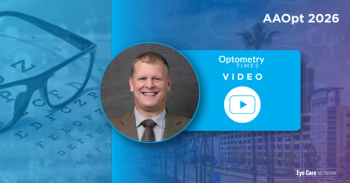
Michael Cymbor, OD, FAAO, gives an overview of a rapid fire lecture he gave in collaboration with Andrew Rixon OD, FAAO; Austin Lifferth, OD, FAAO; and Derek MacDonald, OD, FAAO, at AAOpt 2026.
In an exclusive interview with Optometry Times, Michael Cymbor, OD, FAAO, of Nitney Eye Associates in State College, Pennsylvania, overviewed his lecture “Rapid Fire: Double Trouble: The Intersection of Glaucoma with The Body,” which discussed lifestyle modifications in glaucoma. Drawing on roughly 30 years of managing glaucoma, he says lowering intraocular pressure (IOP) remains the only modifiable risk factor clearly known to alter the course of the disease. However, he describes growing recognition that other lifestyle factors may affect the likelihood of glaucoma developing or progressing. He emphasizes that evidence for many of these factors is still emerging, but believes they deserve attention alongside IOP management.
The lecture considers alcohol use, tobacco use, exercise, sleep, gut dysbiosis, stress, and supplementation. Cymbor characterizes alcohol and tobacco as harmful and says clinicians should discuss cessation with patients who use them. Connecting those habits to the possibility of a blinding disease such as glaucoma may provide a meaningful reason for patients to consider changing their behavior, even if they have already received cessation advice from primary care providers.
On exercise, Cymbor notes that its benefits are well recognized across many areas of health, including cancer, dementia, diabetes, and hypertension. The glaucoma research, however, is not yet definitive. He nonetheless considers it reasonable for eye-care professionals to discuss exercise with patients. He also identifies stress reduction and optimizing sleep as important topics for patient counseling, while describing research on gut dysbiosis—particularly the potential relationship between gut and eye health—as a promising area that may reveal more about glaucoma.
Cymbor also discusses supplementation. He compares glaucoma research with the better-established role of supplements in macular degeneration, where he says the evidence has changed earlier assumptions about whether the disease process could be influenced. In glaucoma, the evidence remains less mature, but he points to studies suggesting supplementation may be relevant, especially for patients whose disease progresses despite good IOP control. He considers recommending supplements in those circumstances a reasonable option, while presenting the area as one where research is still developing.
He concludes by recognizing his co-presenters, Andrew Rixon OD, FAAO; Austin Lifferth, OD, FAAO; and Derek MacDonald, OD, FAAO, whom he describes as accomplished glaucoma practitioners, and says it is a pleasure and privilege to share the presentation with them.