



Geographic Atrophy
Latest News
Advertisement
Video Series
Latest Videos






Shorts
1:35
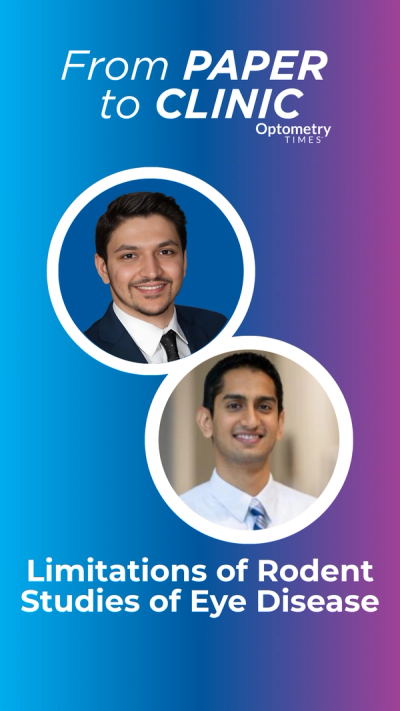
From Paper to Clinic: Rodent study limitations in eye diseases
6 months ago
by
Hamza Shah, OD, MS, FAAO(+1 more)

1:24
From Paper to Clinic: Fundus autofluorescence and the birthday cake analogy
6 months ago
by
Hamza Shah, OD, MS, FAAO(+1 more)
0:49
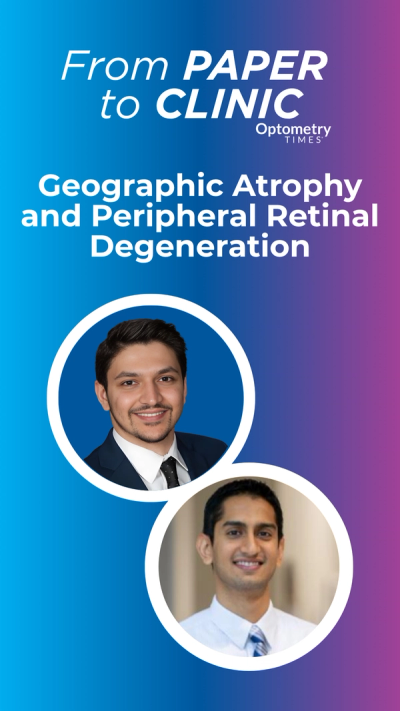
From Paper to Clinic: Geographic atrophy's connection to peripheral retinal degeneration
6 months ago
by
Hamza Shah, OD, MS, FAAO(+1 more)

0:33
Geographic atrophy? It's time to pick up the phone
6 months ago
by
Mary Beth Yackey, OD
Podcasts



CME Content




Advertisement
More News

Avacincaptad pegol may help preserve driving-related vision in geographic atrophy, but post hoc data did not reach statistical significance.

Researchers noted growing evidence supporting an additional role for B vitamins.

Phase 2 ArMaDa data show statistically significant 31% reduction in geographic atrophy lesion growth with OCU410 at 12 months, with a favorable safety profile supporting phase 3 development.

In recent months, developments have ranged from regulatory setbacks to real-world data releases.

The goal of the study was to investigate the natural history of macular tissue preservation in GA by evaluating the relationship between the MTII and BCVA over time.
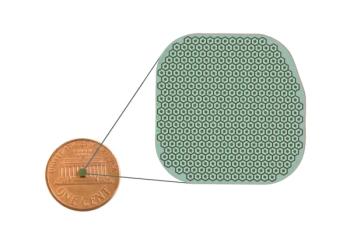
A total of 38 patients were included in the study. All underwent implantation of the PRIMA retinal prosthetic chip with the goal of restoring vision.

The investigational new drug (IND) application from Complement Therapeutics for CTx001 was previously approved by the FDA in October 2025.

A total of 38 patients were included in the study. All underwent implantation of the PRIMAretinal prosthetic chip with the goal of restoring vision.

Knowing what’s on the market for AMD and GA aids in preserving vision.

K8 is a member of a new class of inflammasome-inhibiting drugs called kamuvudines.

Xelafaslatide is a small-molecule Fas inhibitor designed to protect key retinal cells, including photoreceptors, from cell death.
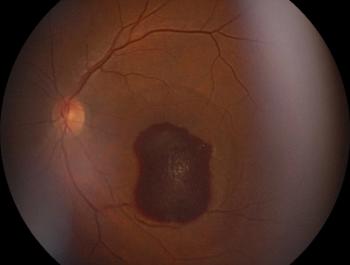
In the study, authors investigated the natural history of GA lesion incidence rates and analyzed potential risk factors for faster incidence of GA lesions.

Fovea-sparing, multifocal, and bilateral lesions exhibited the fastest growth rates.

The lesion area growth was reduced by more than 50% in its first human clinical trial of K8.
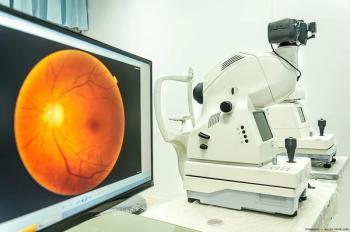
Researchers conducted this study to determine how often and why spontaneous soft drusen regresses without atrophy in patients who had intermediate or atrophic age-related macular degeneration.
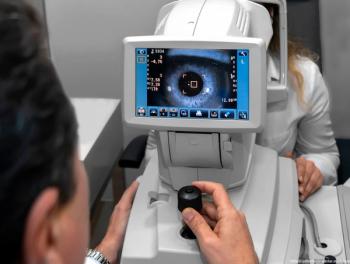
Gyrate atrophy of the choroid and retina is a form of choroidal sclerosis and is a rare, progressive, autosomal recessive, inherited genetic disease that primarily affects the ocular tissue.

LumiThera’s PBM is the only device that has demonstrated meaningful vision improvement compared with baseline for people living with early to intermediate dry AMD.

A study reveals a genetic link between instant coffee consumption and increased risk of dry age-related macular degeneration, urging caution for high-risk individuals.

The LMDD Eye Health Scorecard specifically evaluated insurance coverage for treatments addressing GA, neovascular AMD, and thyroid eye disease.

The results of an investigation into iRORA identified a wide spectrum of fundus autofluorescence patterns that corresponded with iRORA lesions and that those patterns were associated with conversion to cRORA over time.

Valeda met the primary end point in the US LIGHTSIDE III trial, improving the best corrected visual acuity in patients for 24 months of >5 letters or equivalent to 1 line improvement on the eye chart, according to the company.

Topline results from the MAGNIFY phase 2 clinical trial of oral zervimesine show 28.6% slower geographic atrophy lesion growth compared with placebo.

Boehringer Ingelheim announced that the phase 2 clinical studies will investigate a potential first-in-class oral compound and a highly specific antibody fragment for geographic atrophy.

With the acquisition, Topcon Healthcare also assumes RetInSight’s AI algorithms that analyze retinal images to detect and monitor disease.

Advertisement
Advertisement
Trending on Optometry Times - Clinical News & Expert Optometrist Insights
1
FDA Advisory Committee to review SYD-101 for pediatric myopia October 30
2
Implementing myopia control lenses into practice
3
Takeaways from this week in optometry: September 21-25
4
The Independent Advantage S02 E03: Utilizing AI for efficiency in staff workflow
5