Shane Kannarr, OD, overviews results from a phase 4, multicenter, prospective, open-label trial that evaluated the impact of concomitant use of PFHO during contact lens wear.
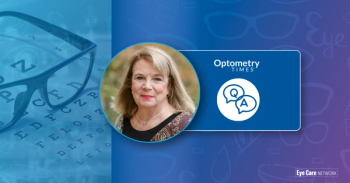
Neda Gioia, OD, CNS, FMCP, FOWNS, CFMP, details a lack of research exploring the intersection of hormones and ocular health in women and what health care as a whole should investigate next.
In an exclusive Optometry Times interview, Neda Gioia, OD, CNS, FMCP, FOWNS, CFMP, details the AAOpt 2026 symposium “Let's Talk About Sex: Female Hormones and the Life Cycle (Women's Health SIG),” which was copresented with Cristine Smoczer, MD, PhD, MS; Millicent Knight, OD, DHL, FAAO, FNAP; and Melissa Barnett, OD, FAAO, FSLS, FBCLA, ACC. The symposium, organized and presented by the Women’s Health SIG, was moderated by Naureen Haroon, OD, MPH, FAAO. The lectures covered female hormones, sexual health, and the stages of a woman’s life, and had an excellent turnout, according to Gioia.
A central clinical message is that practitioners should not assume a woman’s age predicts her hormonal health. Hormonal changes can occur in younger patients, including women in their 30s, so they should not be treated as exclusively a midlife concern. Gioia argues that clinicians need to recognize the range and timing of these transitions rather than relying on age-based assumptions.
The discussion focuses particularly on the relationship between sex hormones and eye health. Dry eye disease is identified as a useful starting point because there is substantial foundational research, including work from TFOS and other publications, showing that sex hormones can influence dry-eye symptoms. Gioia notes that differences between women and men appear in other eye diseases too, but says more research is needed to understand those disparities and the mechanisms behind them.
Gioia also points to a gap in professional education. Awareness of female hormonal changes and their relevance to eye health is limited not only in optometry but across multiple specialties, including gynecology. Even basic knowledge—such as the presence of estrogen and androgen receptors throughout the eye, from the anterior to the posterior parts—could help practitioners appreciate that hormones may play a role in ocular disease.
Gioia describes this as a “2 bucket” issue: hormones may affect eye tissue directly, and hormonal transitions may also influence other factors that affect eye health. Sleep is one example. Sleep disruption during perimenopause can itself be a risk factor for ocular diseases. Understanding both pathways could help eye-care professionals better support patients and connect them with appropriate practitioners.
Finally, Gioia calls for more research into estrogen’s effects on eye inflammation and tissue function, as well as neurodegenerative disease and the retina. She also emphasizes supporting colleagues who may be experiencing hormonal transitions that affect their well-being or work. Overall, the message is that learning about these transitions can improve care and quality of life for both patients and colleagues.