
Zachary Keaney, CPOA, discusses the lens care steps patients skip most often and why early diagnosis of lens-related keratitis is critical.
Nicole Haessly, OD, FAAO, discusses common unsafe contact lens habits, overlooked care steps, and how lens innovations have improved safety.
Contact lens complications remain largely preventable, yet unsafe wear and care habits continue to put patients at risk for microbial keratitis and other sight-threatening infections. In this Q&A, Nicole Haessly, OD, FAAO, of Cleveland Clinic Cole Eye Institute, discusses the noncompliant behaviors seen most often in practice, the lens care steps patients routinely skip, and how quickly a contact lens–related infection can progress. Haessly also reflects on how silicone hydrogel materials and daily disposable modalities have reshaped contact lens safety, and why patient education remains central to reducing adverse events.
Note: transcript edited lightly for clarity and length.
Nicole Haessly, OD, FAAO: The most common unsafe habits I see are napping or sleeping in contact lenses, wearing contact lenses longer than their recommended modality, exposing contact lenses to water, and taking shortcuts with cleaning and disinfection. I believe these habits persist because noncompliance is typically more convenient than compliance, and patients may underestimate the risks associated with improper lens care. Financial constraints can also play a role, particularly if patients have difficulty affording replacement lenses and care supplies.
Haessly: The steps of lens care I see patients skip most often involve lens storage and case hygiene. These include failing to replace old solution with fresh solution, rinsing contact lens cases with water instead of contact lens solution, and not replacing lens cases regularly. Contact lens cases play an important role in infection prevention. By skipping important cleaning steps, cases can become contaminated and contribute to microbial growth and biofilm formation, which increases the risk of contact lens-related infections.
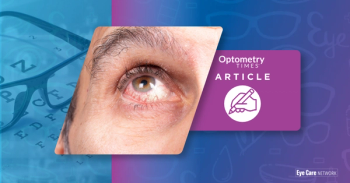
Haessly: A contact lens-related infection can progress rapidly, depending on its severity, over days or even hours. Severe infections, if left untreated, can cause corneal ulceration, scarring, and permanent vision loss. Prompt assessment, appropriate triage, and timely initiation of treatment are critical to minimizing complications. Contact lens wearers should always be reminded that if they develop symptoms such as eye pain, redness, photophobia, discharge, or vision changes, they should remove their lenses and seek care immediately.
Haessly: One major advance has been the development of silicone hydrogel materials which have a higher oxygen transmissibility than traditional hydrogel lenses. This has greatly reduced corneal hypoxia and its associated complications. Another important advance is the growth of the daily disposable modality. Daily disposable lenses avoid many of the potential problems associated with reusable lenses including contaminated storage cases. These advances in contact lens technology have helped to reduce the risk of contact lens-related adverse events.