

Optometrists should be aware of the consequences of digital device use beyond myopia.
Optometrists should be aware of the consequences of digital device use beyond myopia.
The water-free, preservative-free, anti-inflammatory drop from Novaliq, now coined Vevye, received FDA approval to treat the signs and symptoms of dry eye disease.

The 126th annual American Optometric Association Optometry’s Meeting will convene in Washington, DC from June 21 to June 24, 2023.
Groundbreaking treatment for patients with bullous keratopathy approved in Japan.

An epidemiologic study of myopia in a Chinese province found that economic status, gender, and age were associated with rates of myopia.

Investigators reported “an increasing trend in the incidence of eye injuries associated with so-called ‘nonpowder’ guns among children.”

Ocular trauma is a leading cause of monocular blindness in the US and is the second most common reason for eye-related hospitalizations
In this recent study, Bharti Nihalani-Gangwani, MD, and Deborah VanderVeen, MD, reported that 29% developed glaucoma in a large infant cohort and the risk factors at the American Society of Cataract and Refractive Surgery annual meeting in San Diego.

Lucie Moore, BSc, in a presentation at the American Society of Cataract and Refractive Surgery annual meeting in San Diego, said the study focused on identifying factors that could put patients at a higher risk for developing dry eye disease.

Umida F. Mavlyanova, PhD, in a presentation at the American Society for Cataract and Refractive Surgery’s annual meeting in San Diego, detailed how patients diagnosed with end-stage chronic renal failure displayed deceased blood flow in the orbital artery, the central artery of the retina and the posterior short ciliary arteries.

Speaking at the American Society for Cataract and Refractive Surgery annual meeting in San Diego, Marcony Santhiago, MD, points out there are subtle differences in patients with keratoconus that was progressing compared with patients whose disease was stable and healthy control subjects.

In a presentation at the American Society for Cataract and Refractive Surgery annual meeting in San Diego, Erisa Yotsukura, MD, PhD, offered details of a study examining an IOL that transmits violet light and a second option that does not, and they believe this can affect differences in the choroidal thickness after cataract surgery.
Preeya Gupta, MD, reported results of the trials at the American Society of Cataract and Refractive Surgery annual meeting in San Diego, showed that CSF-1, a low dose pilocarpine with an optimized formulation, demonstrated significant 2-line improvement from baseline.

Jason Bacharach, MD, presented results at the American Society of Cataract and Refractive Surgery annual meeting in San Diego, highlighting that a large phase 3 clinical trial demonstrated no relevant differences between the 2 formulations.

In a presentation at the American Society for Cataract and Refractive Surgery annual meeting in San Diego, Ana Balbuena-Pareja, MSc, explained how cenegermin-bkbj ophthalmic solution 0.002% (Oxervate, Dompé) had a positive effect on corneal nerve regeneration and sensation in patients with neurotrophic keratitis.

Efavirenz boosts cholesterol turnover in retina, brain.

Data on Palatin’s formulation PL9643 indicates clinical efficacy across multiple signs and symptoms of dry eye disease without sacrificing safety and tolerability.

The study found that pseudophakic children older at the time of surgery developed a glaucoma-related adverse event less frequently.

The results showed that current smokers had a greater 5-year cumulative probability, compared with patients who had never smoked, of undergoing orbital decompression, strabismus surgery, and eyelid recession.

One way to advance the current understanding of GA is to study how disease progression varies among related individuals.

Physicians should continue to have conversations and assessments of patients with glaucoma before the decision is reached to stop driving.

The authors conducted a prospective non-interventional study in which a self-questionnaire was used to evaluate the ocular symptoms and medical background of patients with KC and OSD who engage in chronic eye rubbing.
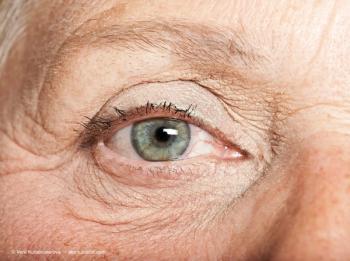
An important take-away was the total and central corneal staining score improving after only 2 weeks of treatment.
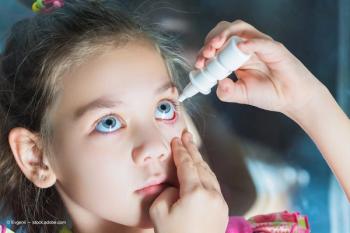
Atropine 0.01% eye drops decreased myopia progression in children over the study course of 1 year.

Based on the initial ophthalmic findings, it is difficult but important to predict the patients’ progression to a specific level of disease severity.

The researchers undertook a retrospective, comparative, consecutive case series of patients with endophthalmitis after open globe injury.
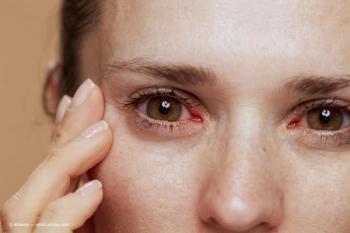
The investigators conducted a retrospective cross-sectional analysis to determine the epidemiologic pattern of IPV–related ocular injuries in US adults

The primary outcome was an association between alcohol misuse and corneal endothelial metrics.
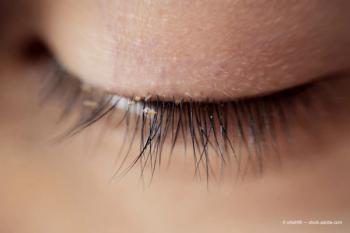
Though there is no current FDA-approved treatment, lotilaner ophthalmic solution, 0.25%, is the first drug designed to treat and target the underlying cause of Demodex blepharitis.

Because the disease is vision-threatening, the investigators retrospectively reviewed the demographic, clinical, and surgical data from the cases of patients who required additional CXL.