
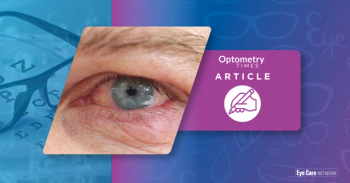
Aldeyra Therapeutics will submit a FDRR to the FDA for reproxalap, an investigational drug or dry eye disease.
Aldeyra Therapeutics will submit a FDRR to the FDA for reproxalap, an investigational drug or dry eye disease.
EyeCon is an opportunity for ophthalmologists and optometrists to sit down together.

Startup S5G Therapeutics aims to move ubiquinol technology from the laboratory toward treatments for dry eye, Fuchs dystrophy, and other corneal conditions.

The Class II recall alerts consumers and physicians to possible temporary or reversible health effects, but serious harm is unlikely.
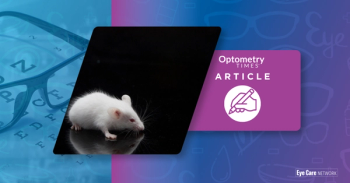
A maternal high-fat diet can negatively affect the retinal structure in mice.

The FDA issued a nationwide recall of a steroid eye drop.

A newly developed diagnostic system, CaptureTumor (CaT), driven by AI and designed specifically for smartphone deployment, achieved diagnostic accuracy comparable to that of a specialist-graded slit-lamp evaluation for detecting rare ocular surface malignancies.

Across mild, moderate, and severe disease, 3 cases show how timely glaucoma intervention can reduce medications and preserve sight.
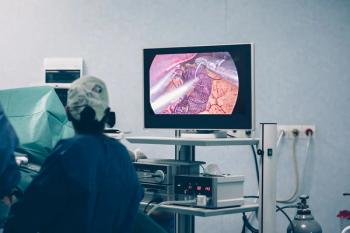
New Turkish study links sleeve gastrectomy weight loss to clearer cornea and lens, lower eye pressure, and widened anterior chamber in 6 months.
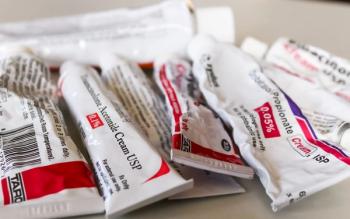
Danish JAMA Dermatology trials show short-term topical or oral corticosteroids don’t raise intraocular pressure, easing glaucoma worries in atopic dermatitis care.
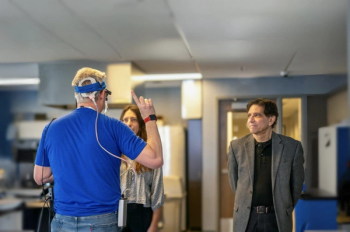
The device is described as “a wireless brain implant designed to provide artificial vision for people with total blindness by bypassing the eyes and optic nerves and connecting directly to the brain’s visual cortex.

ECG-synchronized Doppler holography provides repeatable measurements of the retinal blood flow.
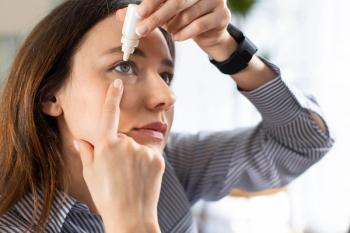
Research suggests that one drop of atropine is all it takes for beneficial effects.

The study was conducted by researchers from VisionSpring and Queen’s University Belfast, with support from USAID.
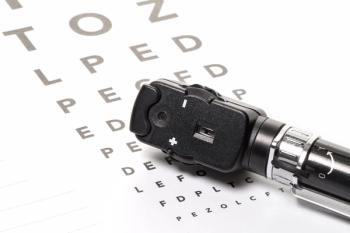

Mt. Sinai introduced the miDOC system at the ASCRS annual meeting.

The phase 3 study was a randomized, double-masked, placebo-controlled, multicenter trial evaluating subcutaneous teprotumumab administered every 2 weeks for 24 weeks.

Images showed that Parkinson disease is associated with a thicker photoreceptor nuclear layer and a thinner layer of photoreceptor processes.
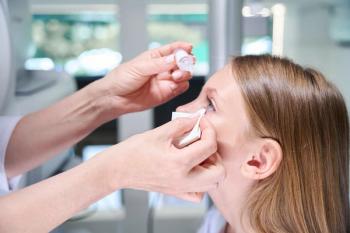
This study sheds light on use of the 0.05% atropine, which has been reported to be effective against myopia progression in some but not all studies.

Elegrobart was generally well tolerated in both dose groups with low rates of hearing impairment.

Caution is advised by doctors and aviation safety experts.
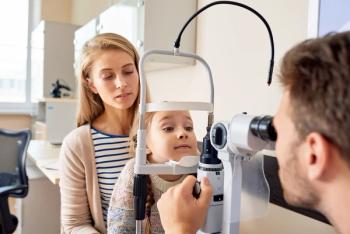
Michael Raizman, MD, and colleagues evaluated the efficacy and safety of epithelium-on oxygen-enriched corneal CXL in a sub-group analysis of 30 eyes of 22 pediatric patients aged 13 to 17 years.

Meta-analysis finds refraction change better than axial length thresholds for tracking childhood myopia, urging growth-curve AL monitoring to flag retinal risk.

Currently, about 39 cases have been reported.
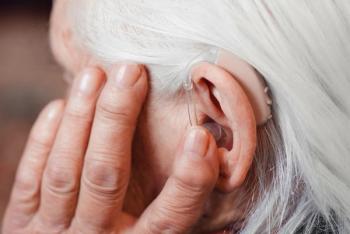
This scenario emphasizes the need to gain an understanding of the role of hearing impairment in vision rehabilitation outcomes, particularly as they relate to functional independence.
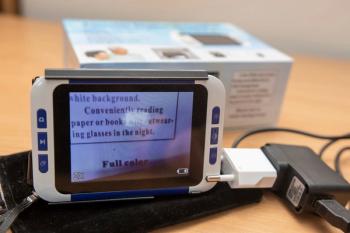
Vision rehabilitation includes training patients in the use of adaptive technologies, such as magnifiers or screen readers, and nonvisual techniques to facilitate the patients’ ability to complete daily tasks.
Improved guidance on preservatives and allergens needed to ensure safety.
Metformin, a common diabetes medication, may be associated with less development of intermediate age-related macular degeneration (AMD).

In recent months, developments have ranged from regulatory setbacks to real-world data releases.
September 6th 2023

December 31st 2025
November 4th 2021
March 10th 2022