

Presbyopia
Latest News
Advertisement
Latest Videos
CME Content















Advertisement
More News

Milton M. Hom, OD, FAAO, FACAAI (Sc), shares key takeaways from his SECO 2023 presentation, "Drugs of the future."
Milton M. Hom, OD, FAAO, FACAAI (Sc), shares key highlights from his portion of the "Presbyopia management panel," during SECO 2023 in Atlanta.

A look back on what's happened in optometry during the week of February 18-February 23.
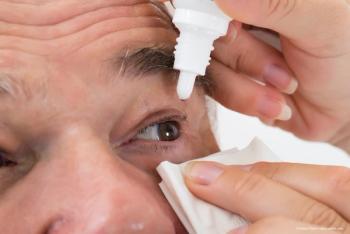
A PDUFA goal date of October 22, 2023 was assigned to the investigational eye drop candidate for the treatment of presbyopia.
A look back on what's happened in optometry during the week of Jan. 7-Jan. 12, 2023.

The VEGA-2 pivotal trial is investigating Nyxol alone and Nyxol with adjunctive low-dose pilocarpine therapy for the treatment of presbyopia.
Expert eye care specialists comment on the use of aceclidine as a selective miotic for the treatment of presbyopia.
Marc R. Bloomenstein, OD, FAAO, shares key takeaways from his EyeCon 2022 presentation, "Advances in presbyopia."
Mile Brujic, OD, FAAO, shares key takeaways from his EyeCon 2022 presentation, "Advances in presbyopia."
Andrew S. Morgenstern discusses the selectivity of miotic agents in isolating the pupil while limiting adverse events for the management of presbyopia.
Francis S. Mah, MD, reviews miotic agents that are available or under investigation for the treatment of presbyopia.

Panel discusses the highs and lows of treating patients with this condition.
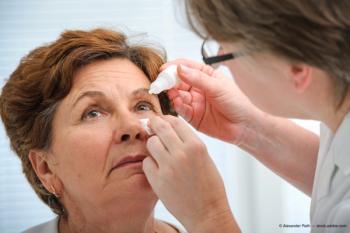
Considering safety and efficacy of new drops and the potential impact on your patients.
Andrew S. Morgenstern, OD, FAAO, FNAP, highlights the importance of reducing pupil size to a certain level to optimize near vision for patients with presbyopia.
Expert eye care specialists discuss the role of miotic agents in targeting presbyopia in patients.

Sean W. Smolenyak, OD, gives a brief overview of presbyopia, including the cause and available treatments.
Drs Andrew S. Morgenstern and Francis S. Mah provide insight on the functionality of ocular accommodation as an autofocus lens and how this is affected in patients with presbyopia.
Francis S. Mah, MD, and Andrew S. Morgenstern, OD, FAAO, FNAP, review the impact of presbyopia on quality of life as well as current treatment options and unmet needs for disease management.
Ocuphire seeks to develop and commercialize Nyxol for the reversal of mydriasis, presbyopia and night vision disturbances.
Erin Rueff, OD, PhD, FAAO, shares highlights from her 2022 American Academy of Optometry presentations in the contact lens space.
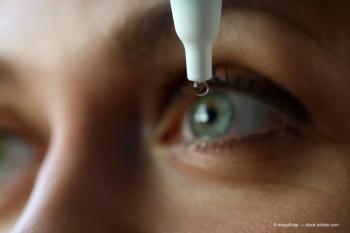
Presbyopia-correcting drops for patients with low, up-close visual function.

Evolution of vision correction procedures, diagnostics paves way for collaborative care.

World Sight Day is upon us and RestoringVision has issued a lofty but doable goal: help solve the global vision crisis.

Experts answer clinicians’ common questions on treating patients.

Melissa Barnett, OD, from the University of California, Davis Eye Center, Sacramento and Davis, CA, described new strategies, technologies, and drug classes to treat chronic conditions that include myopia, Demodex infestation, meibomian gland dysfunction, glaucoma drug delivery, advancements in corneal and cataract surgeries, and presbyopia
Advertisement
Advertisement
Trending on Optometry Times - Clinical News & Expert Optometrist Insights
1
AAOpt 2026: Optimizing the ocular surface for cataract/refractive surgery: A case study
2
What is the biggest barrier to eye care access worldwide?
3
AAOpt 2026: Photobiomodulation to revolutionize dry AMD treatment, Dr Rafieetary says
4
AAOpt 2026: Brimonidine-hyaluronic acid drop sustains redness relief through 10 hours
5