

Presbyopia
Latest News
Advertisement
Latest Videos

Shorts


Podcasts
CME Content














Advertisement
More News
Yuvezzi (carbachol and brimonidine tartrate ophthalmic solution) 2.75%/0.1% is a once-daily, dual-agent eye drop, for the treatment of presbyopia in adults.

LENZ Therapeutics and Arrotex Pharmaceuticals announce exclusive license and commercialization agreement for Vizz in Australia and New Zealand.
A summary of major FDA approvals and CRLs in eye care from the first half of 2026.
Clinical trial data support the Deseyne contact lens, the first FDA-designated EDOF soft contact lens, as a new daily disposable option for presbyopia.

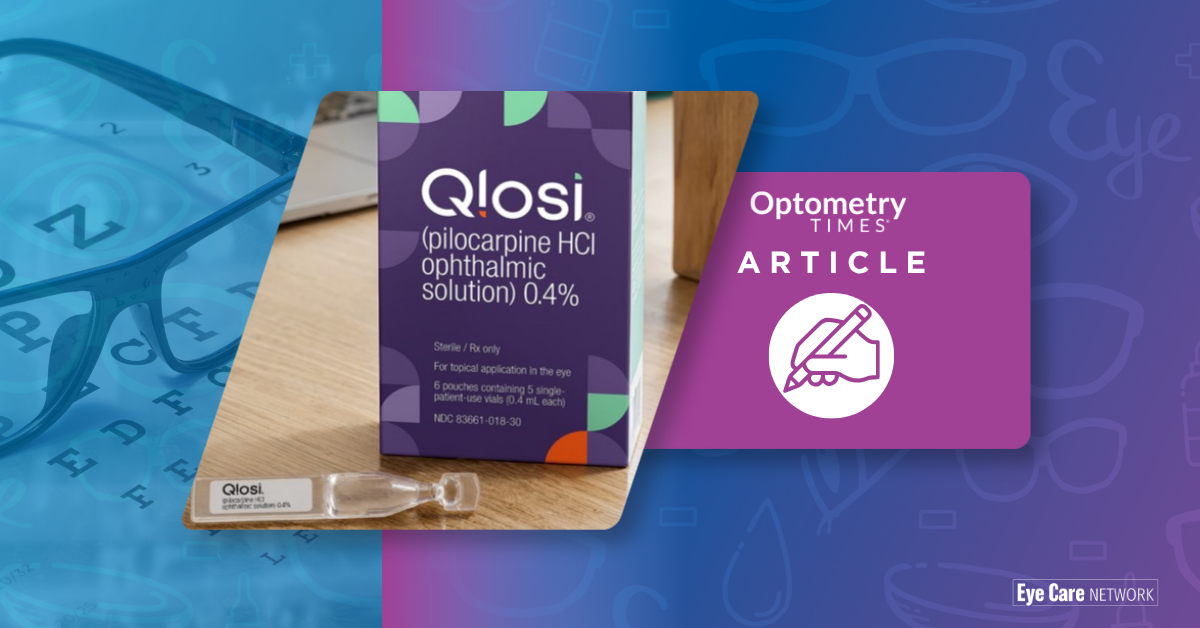
A real-world pilot across 8 optometric sites found Qlosi (0.4% pilocarpine) implementation met or exceeded all corporate KPIs, with UWF imaging utilization rising 16.4 percentage points and 72.7% of patients achieving personal treatment goals.

LENZ Therapeutics licenses FDA-approved presbyopia drop to Everest Medicines for Greater China; NDA under review by NMPA with approval anticipated in Q1 2027.

The study, led by researchers at Keio University School of Medicine, measured near add power in 6258 patients aged 40 to 79.

The study, conducted across 6 clinical sites in the US, enrolled 30 participants aged 40 years and older who were established progressive lens wearers and used digital devices for at least 4 hours per day.

Crooker, OD, gives advice on how to put perimenopausal/menopausal patients at ease in the chair.

The study was conducted by researchers from VisionSpring and Queen’s University Belfast, with support from USAID.
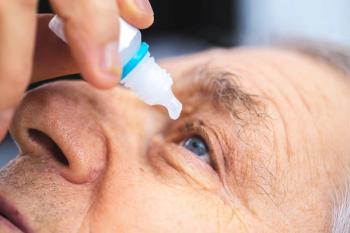
The company said the submission marks its sixth regulatory filing outside the US following FDA approval in July 2025.
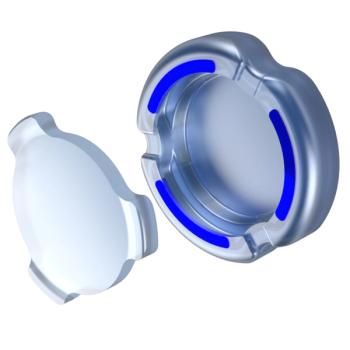
Data from a recent trial of the OmniVu Lens System was presented at ASCRS 2026, featuring positive and sustained vision end points.

The formulation combines 2 pharmacologic agents: carbachol, a direct-acting cholinergic agonist, and brimonidine tartrate, an α-2 adrenergic receptor agonist.
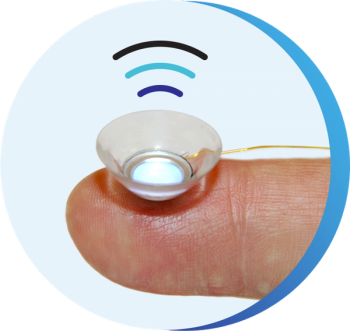
The clinical study will evaluate a noninvasive corneal strengthening procedure designed to reshape the cornea and correct refractive errors in-office without tissue removal.

The FDA has assigned a PDUFA goal date of October 17, 2026.

Derek N. Cunningham, OD, FAAO, details candidate selection, mechanism of action, and patient education for the new eye drop.
Formerly known as Brimochol PF, the dual-agent eye drop is now the first and only of its kind for the treatment of presbyopia in adults.
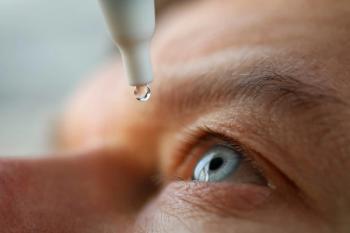
Lens thickness and ciliary muscle are not affected by low-dose pilocarpine.
Previously, the EDOF technology was specifically limited to intraocular lenses.
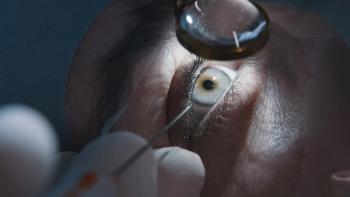
Understanding the different expectations between patients with these conditions is key to choosing the appropriate refractive surgery.

Most active ingredients in presbyopia-correcting eye drops, including pilocarpine, aceclidine, and carbachol, are direct-acting cholinergic agonists that activate the iris sphincter muscle, causing pupil constriction.

This is the first submission for approval under the exclusive license and commercialization agreement for South Korea that was signed between LENZ and Lotus.
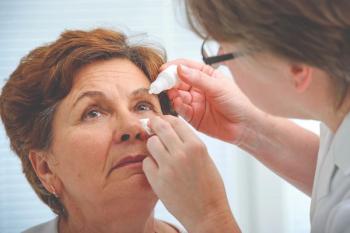
Advances address a need for the growing populace with age-related near vision loss.
The submission marks the first ex-US regulatory submission for Brimochol PF.
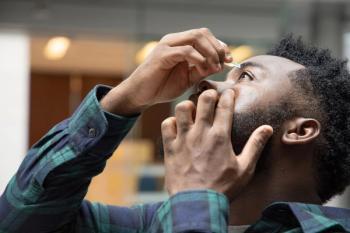
Commercial product shipments will be initiated for patients in October through LENZ’s ePharmacy partner, and the product is anticipated to be available in commercial locations such as retail pharmacies by the middle of the fourth quarter of this year.
Advertisement
Advertisement
Trending on Optometry Times - Clinical News & Expert Optometrist Insights
1
AAOpt 2026: Optimizing the ocular surface for cataract/refractive surgery: A case study
2
What is the biggest barrier to eye care access worldwide?
3
AAOpt 2026: Photobiomodulation to revolutionize dry AMD treatment, Dr Rafieetary says
4
AAOpt 2026: Brimonidine-hyaluronic acid drop sustains redness relief through 10 hours
5