



The 20-20-20 rule has taken on a life of its own, but it remains a useful trick to reduce digital eye strain.
The 20-20-20 rule has taken on a life of its own, but it remains a useful trick to reduce digital eye strain.

The aspheric, monofocal, single-piece C-loop IOL from Zeiss compensates for a range of spherical aberrations to minimize decentration and lens misalignments.

Pediatric glaucoma, although rare, can cause irreversible vision loss and leave children visually impaired if not treated timely and adequately.
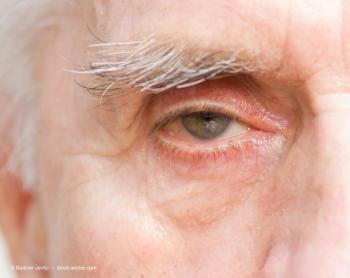
The GA Won’t Wait campaign is designed to help older adults and their families understand and recognize the symptoms of this progressive and irreversible disease.
Deborah Ferrington, PhD, shares a brief overview of her presentation on identifying the mechanism responsible for the death of the retinal pigment epithelium.
Andrew Pucker, OD, MS, PhD, FAAO, and George Magrath, MD, discuss Lexitas Pharma Services' work on modification of the National Eye Institute's corneal fluorescein staining scale.
Mark Bullimore, PhD, MCOptom, shares a brief overview of her presentation on myopia management by slowing progression with low concentration atropine.

Several eye conditions may benefit from membrane application.

Positive 42-month Cypress axial length and cSER outcomes, presented at ARVO in New Orleans, reinforce myopia control safety and efficacy of Diffusion Optics Technology™ spectacle lenses.

Uri Soiberman, MD, shares some key takeaways from his presentation at the inaugural IKA Keratoconus Symposium.

Catch up on what happened in optometry during the week of April 17-April 21.

The ONE by ONE Recycling program has collected more than 65 million units of used contact lenses, top foils and blister packs since its launch in 2016.

Women head 42% of schools of optometry.

The results showed that current smokers had a greater 5-year cumulative probability, compared with patients who had never smoked, of undergoing orbital decompression, strabismus surgery, and eyelid recession.

Although the 20-20-20 rule is still a solid recommendation, recent studies have provided practitioners with more specific recommendations to help potentially prevent the onset and slow the progression of myopia.

Neurofibromatosis type 1 (NF1) is a condition associated with significant systemic morbidity. Abnormal proliferation of cells derived from the neural crest can cause benign and malignant tumors throughout the body in NF1.

One way to advance the current understanding of GA is to study how disease progression varies among related individuals.

Help patients establish a daily eye care routine like the one they have for oral health.
A look back on what happened in optometry during the week of April 10-April 14.

Those interested and eligible should submit their letter of intent by May 1, 2023.

In addition to these tips on preventing digital eye strain, it is important to implement other eye-healthy habits.

Physicians should continue to have conversations and assessments of patients with glaucoma before the decision is reached to stop driving.

According to the company, KPI-012 could become the first approved treatment for persistent corneal epithelial defect across all its various etiologies.

The technology will be shared at the International Congress of Ophthalmology and Optometry China (COOC) conference in Shanghai April 14-16, 2023.

The authors conducted a prospective non-interventional study in which a self-questionnaire was used to evaluate the ocular symptoms and medical background of patients with KC and OSD who engage in chronic eye rubbing.

Corporate Optometry shares pearls on becoming a though leader in optometry.
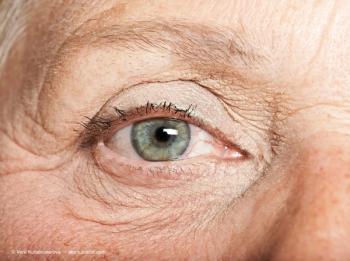
An important take-away was the total and central corneal staining score improving after only 2 weeks of treatment.

The partnership addresses a major gap in delivering resources for patients with vision impairment or blindness, including a new focus on mental health care delivery.
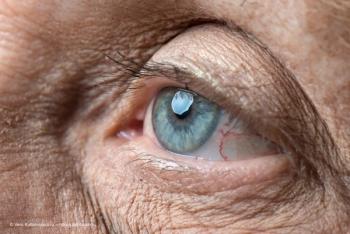
Pegcetacoplan’s recent FDA approval creates an option for patients with dry AMD.

Atropine 0.01% eye drops decreased myopia progression in children over the study course of 1 year.