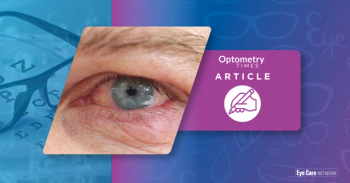
Ashraf Ahmad, MD, explains what tear breakup time testing shows and why results vary between clinic visits.
Shareen M. Greenbaum, MD, and Amanda Amberg, OD, recognize comanagement as an opportunity to target dry eye early and use advanced diagnostics and treatments for healthier ocular surfaces.
In recognition of
Both physicians emphasized that untreated ocular surface disease is a common, often overlooked cause of patient dissatisfaction after cataract surgery
Amberg described a diagnostic protocol that begins with noninvasive tear break-up time testing, lipid layer evaluation, and corneal staining photography before any treatment is selected. Treatment options offered at Hollywood Eye Institute include intense pulsed light therapy, radiofrequency treatment, dynamic muscle stimulation, thermal pulsation and manual expression, serum tears, punctal plugs as an adjunctive therapy, and amniotic membrane grafts for more severe keratitis. The practice also offers BlephEx for demodex and blepharitis-related conditions, which are common among South Florida patients. Surgical interventions, including treatment of conjunctival chalasis or removal of pterygia affecting biometry, fall under Greenbaum's role when ocular findings require it.
Both physicians stressed that trust, communication, and the absence of competition between providers are central to a successful co-management relationship. Amberg encouraged optometrists to broach the topic of dry eye with patients even if they are not comfortable treating it themselves, noting that patients often arrive at surgical consultations unaware they have ocular surface disease. Greenbaum added that every member of a surgical practice should be engaged in identifying and treating ocular surface disease prior to any ocular or eyelid procedure, given its impact on patient satisfaction and surgical outcomes.