Maria Sampalis, OD, discusses her implementation of the EHR software Barti in her practice.
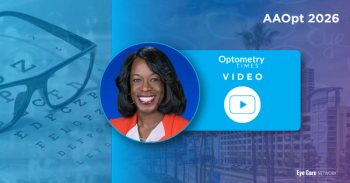
Chandra Mickles, OD, MS, FAAO, FSLS, details the key components of connecting with a diverse demographic of patients from the chair.
Chandra Mickles, OD, MS, FAAO, FSLS, director of Professional Education at Alcon, reflected on a panel she sat on during Vision Expo 2026 about bridging cultures in chronic eye disease care. Mickles emphasized that managing chronic eye conditions—particularly in Latino and African American communities—requires far more than clinical expertise; it depends heavily on trust and effective communication.
She outlined3 key tips for communicating with patients about chronic, often silent eye diseases (such as diabetic retinopathy or glaucoma, which may present no symptoms early on):
Mickles shared a personal story about her 60‑year‑old uncle, who completely lost his vision from diabetic retinopathy. The tragedy, she explained, was not late detection but lack of awareness—he did not truly grasp his risk. This underscores why clear, patient-centered communication is critical.
She further highlighted the importance of trust, especially in communities that have historical reasons for mistrust of the medical system, such as African Americans who have been subjected to unethical experimentation. For Mickles, trust is part of the treatment plan: when patients trust their providers, they are more likely to follow treatment and protect their vision. Empathy and transparency, including the use of imaging and visual tools, help patients understand what is happening with their eyes.
Addressing gaps in patient education, Mickles noted a shortage of Spanish-language materials, especially for Latino patients. She mentions Alcon’s support for the Glaucoma Foundation in translating materials into Spanish and plans to expand translation across more educational assets. She also stressed the need for stronger cultural competency training in optometry schools and continuing education, drawing on her own experience teaching at Nova Southeastern University.
In closing, Mickles called for a collaborative effort among industry, clinicians, and organizations such as Latinos in Optometry and the National Optometric Association. Because many eye diseases are “silent,” she argued, the way to “save sight” is by speaking up, taking collective action, and centering communication and trust in patient care.