



Patients reported that Miebo significantly reduced overall symptoms severity at the primary endpoint of change from baseline in the severity of overall dry eye symptoms at day 7.
Patients reported that Miebo significantly reduced overall symptoms severity at the primary endpoint of change from baseline in the severity of overall dry eye symptoms at day 7.

Nora Lee Cothran, OD, FAAO, details a real-world study that found IOP-lowering benefits when switching patients with glaucoma to latanoprostene bunod treatment.

The new mobile eye care clinic is 40 feet long and is fully equipped with an eye examination room, an eyewear dispensary stocked with frames, and a finishing lab for the production of prescription glasses.

The study evaluated 14 patients that were treated with cultivated autologous limbal epithelial cells (CALEC) and followed them for 18 months.

This follows successful Phase 1 results, which demonstrated a favorable safety profile for BI 771716 across both single and multiple intravitreal doses.

The new device from Lumenis aids in ocular surface disease treatment by combining radio frequency and dynamic muscle stimulation to improve lower lid laxity, enhance blink dynamics, and offer a non-invasive solution for dry eye management.

The survey for the report was conducted from December 13, 2024 to January 10, 2025 with a nationally representative samples of 1500 US adults and 150 eye care providers from The Vision Council’s Research Advisory Panel.

VEVYE Access for All aims to reduce barriers to dry eye disease therapy via a partnership with PhilRx.
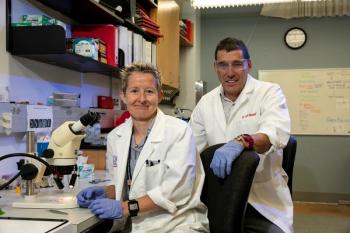
The grant will allow the research team to determine the novel mechanisms that convert immature eye lens precursors cells into functional transparent cells.
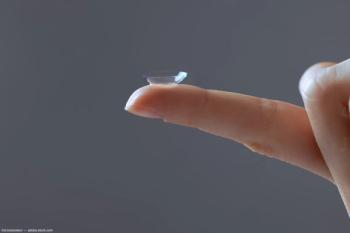
The system aids in the orthokeratology lens design process by syncing directly with topographers to create precise lens designs for the treatment of myopia in the matter of seconds.

A total of 43 patients who recovered from the SARS-CoV-2 infection with mild pneumonia were included along with 45 healthy individuals.

Catch up on the top stories in optometry during the week of March 10-March 14.

The capital raise was completed in partnership with global alternative asset management firm TPH.

Additionally, the prognosis of macular edema may help clinicians evaluate renal function, investigators reported.

The Preservative Freedom Coalition’s recent Glaucoma Patient Experience survey also found a need to better communication between patients and eye care providers.


The study, published in JAMA Network Open, found that only 8.2% of patients who were referred and received a glaucoma evaluation were diagnosed with glaucoma.

Cationic emulsion drops are characterized by their ability to retain cyclosporine A on the ocular surface.


The collaboration allows Topcon to become the exclusive global distributor of Inspire, RadiusXR’s new wearable vision testing platform.

OCU410 is a novel multifunctional modifier gene therapy candidate that targets multiple pathways associated with GA.
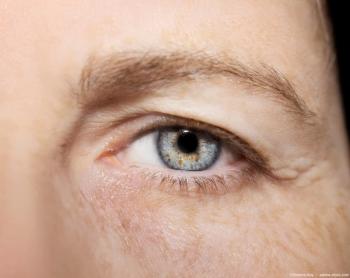
A recent study assessed the effect of a modified TCLB procedure that added deframing and decompression maneuvers to the LOFC and its support structures to obtain better results for both the lower and upper lids.

Mile Brujic, OD, FAAO; Nate Lighthizer, OD, FAAO; Brianna Rhue, OD, FAAO, FSLS; Ben Casella, OD; and Ben Gaddie, OD, FAAO shared their insights from the conference.

The FDA has set a PDUFA target action date of October 23, 2025, for the low-dose atropine formulation.

VisionSpring, Eye Care Foundation, and Deckers Brands will provide screenings to 4600 factory workers over 18 days and will take place at 2 factories.

Researchers set out to determine the age groups for which a polygenic risk score would most effectively predict glaucomatous risk and help inform cost-effective methods for disease detection.

Urcosmod is a lipid conjugated chemerin peptide agonist of the ChemR23 G-protein coupled receptor, typically found on immune cells of the eye responsible for the inflammatory response.

The blog series, to be posted every month, will focus on enhancing cultural competency.

Software engineers, manufacturers, and miners were the top 3 professions in need of eyewear due to eye-related health complaints, exposure to artificial and outdoor UV light, and close-up work requirements.
Catch up on the top stories in optometry during the week of March 3-March 7.