
Coats explains how neurotrophic keratitis, Demodex blepharitis, cosmetic habits, and mucus fishing complicate dry eye disease.
The review notes aesthetic considerations are increasingly important as social media and video conferencing spotlight facial appearance.
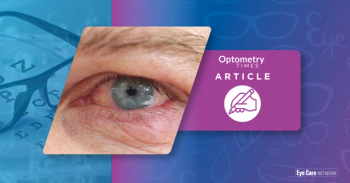
A recent review of noninfectious conjunctival hyperemia, commonly known as eye redness, examines causes, treatment options, and unmet needs worldwide. The condition, which results from dilation of small blood vessels in the conjunctiva, can affect quality of life due to discomfort and cosmetic concerns. Studies have shown individuals with red eyes are perceived as less healthy or attractive, and hyperemia may be linked to alcohol, recreational drug use, and lifestyle factors.
The study, published in Ophthalmology and Therapy, was led by first author Melissa Toyos, MD, of Toyos Clinic in Nashville, Tennessee.
“While many cases of noninfectious conjunctival hyperemia can be self-treated, unmet needs remain in many countries regarding awareness of when to seek medical attention for ocular redness and how to safely and effectively treat this condition,” the study authors stated. “The development of diagnosis and management guidelines specific to noninfectious conjunctival hyperemia (ie, establishing consensus among experts) is warranted to address patients’ clinical and aesthetic concerns.”
Chronic causes include dry eye disease (DED) and ocular allergies, while other contributors include ocular surface diseases, digital eye strain, contact lens wear, environmental irritants, systemic conditions such as ocular rosacea, and certain medications. Management typically combines non-pharmacologic measures—like artificial tears, trigger avoidance, and lid hygiene—with topical treatments including decongestants, antihistamines, mast cell stabilizers, and anti-inflammatory drugs. Conventional ocular decongestants may cause rebound redness or tachyphylaxis, while brimonidine tartrate 0.025% has shown effectiveness with minimal rebound in clinical trials.
“When assessing the patient with ocular redness, it is important to rule out emergency conditions that require immediate intervention, such as acute angle-closure glaucoma, corkscrew vessels from a carotid-cavernous sinus fistula, trauma-related globe rupture, viral disease such as epidemic keratoconjunctivitis or herpetic keratitis, scleritis, keratitis and corneal ulceration, and orbital cellulitis,” the study authors stated.
The review notes aesthetic considerations are increasingly important as social media and video conferencing spotlight facial appearance. Eye care professionals are encouraged to balance cosmetic outcomes with safe treatment practices. The study also warns against surgical eye-whitening procedures, which can cause serious complications.
Unmet needs include inconsistent treatment patterns across regions, lack of standardized guidelines, and patient reliance on over-the-counter or home remedies. The authors call for improved patient education, targeted therapies, and consensus-based guidelines to address both the clinical and cosmetic impacts of noninfectious conjunctival hyperemia.