FDA advisers review SYD-101, low-dose atropine 0.01% for pediatric myopia, on Oct 30 after a 2025 complete response letter.
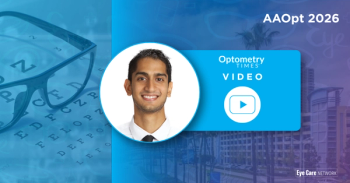
Dye, OD, details exciting new trials for amblyopia that are in the works at NYU Langone Eye Center.
Colleen Dye, OD, a pediatric optometrist at NYU Langone Eye Center, offered a thorough perspective on the current landscape and best practices of pediatric optometry, focusing particularly on myopia management, early detection of ocular conditions, amblyopia treatments leveraging new technologies, and the vital role of interprofessional co-management in delivering comprehensive care.
Dye began by emphasizing the significance of myopia as not only a progressive condition but also a preventable risk factor that can and should be addressed proactively, even by optometrists whose primary focus is not pediatrics. She advocates for primary care optometrists to communicate the available interventions for myopia management to patients of all ages. By promoting awareness and education about lifestyle factors — such as encouraging taking breaks from near work and proper working distances — Dye underscored preventive strategies that benefit both myopic and non-myopic individuals. Specifically, she highlighted the importance of increased outdoor time for children as a simple but impactful measure to help prevent the onset and progression of myopia, noting positive feedback from parents regarding this recommendation.
Dye also detailed uniquely rewarding aspects of working with pediatric patients, expressing genuine joy in fostering trust and long-term relationships with children and their families. Dye noted the immediate benefits seen when vision issues are identified and corrected early. She stressed the critical importance of early comprehensive eye exams, recommending initiation as soon as six months to a year of age. Early intervention, she explained, leads to better visual outcomes, especially in the detection and management of diseases and conditions such as refractive errors and strabismus.
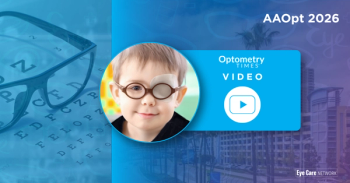
Dye also highlights exciting developments in treatment, such as the US FDA’s recent clearance of Essilor Stellest spectacle lenses for myopia management and her team’s participation in pioneering amblyopia treatment studies employing VR headsets. The latter represents a shift from traditional monocular therapies to binocular ones, offering a more engaging and potentially more effective option for children, particularly those for whom patching or pharmaceutical approaches are not feasible or desirable.
Finally, Dye detailed her integrative approach to comanagement at NYU Langone, collaborating closely with other specialists — such as pediatric ophthalmologists, retina specialists, and neuro-ophthalmologists — to ensure each child receives comprehensive, personalized care. She described how this team-based model supports complex cases and allows for the shared expertise necessary to achieve optimal patient outcomes.
In summary, Dye reflected a forward-thinking, collaborative, and patient-centered philosophy in pediatric optometry. Her insights both reinforce foundational best practices and spotlight promising innovations that will likely shape the future of eye care for children.