
Coats explains how neurotrophic keratitis, Demodex blepharitis, cosmetic habits, and mucus fishing complicate dry eye disease.
The study highlights the broader impact of OR on patients’ quality of life.
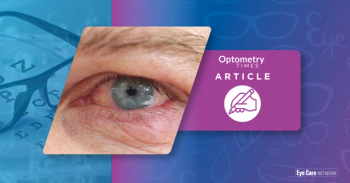
A qualitative study has examined healthcare professionals’ (HCPs) experiences with brimonidine tartrate 0.025% in managing ocular redness (OR), also known as conjunctival hyperemia.1 OR, caused by dilation of conjunctival blood vessels, can result from conditions including dry eye disease, allergic conjunctivitis, environmental irritants, and side effects of ocular medications.2-6 The condition can be acute or chronic and is often associated with discomfort, inflammation, and underlying pathology.7
The study, published in Patient Prefer Adherence, was led by first author Melissa Toyos, MD, of Toyos Clinic in Nashville, Tennessee.
“This study aimed to explore the experiences and perspectives of HCPs who have had access to brimonidine tartrate 0.025% for some time in the US, as well as early adopters in Europe, in prescribing and recommending the treatment for OR. Through qualitative interviews, the study investigated the current treatment landscape, perceived unmet needs, and the benefits and limitations of available therapies,” the study authors stated.
The study highlights the broader impact of OR on patients’ quality of life. HCPs reported that visible eye redness can contribute to social stigma, embarrassment, and reduced self-esteem, with some patients altering social interactions or work routines. “Their wellbeing is embarrassment, shame in their work, in their meeting with her friends. The shame of the redness…they have shame and they have discomfort,” noted 1 participant, according to researchers.
Interviews with 18 ophthalmologists across Spain, Portugal, Poland, Greece, and the United States explored treatment practices before and after the introduction of brimonidine tartrate 0.025%. Participants noted that prior treatments, including α1- or mixed α1/α2-adrenergic receptor agonists, corticosteroids, antihistamines, and ocular lubricants, had limitations such as rebound redness, short-term relief, or safety concerns. One HCP stated, “I hate all the previous ones…for the sole reason that they induce dryness on top of perfectly well treating the redness.”
Brimonidine tartrate 0.025%, a selective α2-adrenergic receptor agonist, was described as providing rapid relief, longer duration of action, and minimal risk of tachyphylaxis or rebound redness. HCPs emphasized that it complements, rather than replaces, treatment of underlying conditions. “It’s just an additional tool that I have at my disposal,” said a clinician. Reported patient benefits included improved comfort, confidence, and adherence to other treatments that may cause OR.
Availability differs by region, with over-the-counter access in the US and prescription-only status in Europe at the time of the study, affecting patient monitoring and accessibility. HCPs stressed the importance of patient education and clinical oversight to prevent overuse or masking of underlying pathology.
“While OTC access in the US provides patient empowerment and convenience, prescription requirements in Europe allow for better clinical oversight to date,” the researchers stated. “The EMA’s 2024 framework for variations opens pathways for potential OTC expansions of products like Lumobry in EU markets such as Spain but would require enhanced education to mitigate risks like self-diagnosis or overuse, as raised by HCPs. These differing regulatory approaches may also have implications for patients’ long-term outcomes, particularly in respect to sustained symptoms management, appropriate use over time, adherence to follow-up care, and timely identification and treatment of underlying pathology. The ideal approach may involve balanced strategies that maximize accessibility while ensuring appropriate clinical monitoring. The concerns expressed by European HCPs about patients potentially avoiding follow-up care when signs and symptoms are effectively managed underscore the complexity of balancing patient autonomy with appropriate medical supervision.”
The study underscores OR’s clinical and psychosocial impact, identifies limitations of prior treatments, and positions brimonidine tartrate 0.025% as a well-tolerated option within a comprehensive approach to eye care, while emphasizing the ongoing need for proper diagnosis and management of underlying causes, the researchers stated.
“This study demonstrates that participating HCPs view brimonidine tartrate 0.025% as addressing a significant unmet need in OR management. Participants reported effective symptomatic relief with an improved safety profile compared to traditional vasoconstrictors, while the reported HRQoL improvements justify its therapeutic value beyond simple OR control. However, the findings emphasize the critical importance of proper clinical oversight, patient education, and continued focus on diagnosing and treating underlying pathology. The different availability models between regions present both opportunities and challenges that should inform future regulatory and clinical practice decisions, particularly in relation to their potential impact on long-term patient outcomes,” the study authors reported.