A. Paul Chous, OD, MA, FAAO
Advertisement
Articles by A. Paul Chous, OD, MA, FAAO

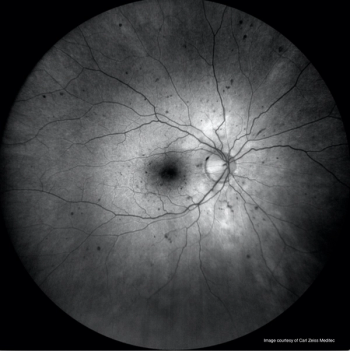
Non-eyecare practitioners will be screening your patients for diabetic retinopathy. Find out why this can help or hurt your patients and how you can help guide the process.

ODs may wish to incorporate color vision testing when working with patients having diabetes. A. Paul Chous, MA, OD, FAAO, CDE, talks about the importance of these tests, incorporating them into day-to-day exams, and devices available.
Diagnosing and treating diabetic macular edema (DME) can pose a challenge for ODs. A. Paul Chous, OD, MA, FAAO, CDE, examines a case of non-center involved DME and the challenges he faced when treating one patient.
A colleague recently told me that eye doctors should “stay within the lines” of traditional eye care because we barely have enough time as it is to do our jobs. My response was that today more than half of our adult patients have either diabetes or prediabetes, so our job now requires we go ”outside the lines” to avoid the leading cause of preventable blindness.

Fasting regimens have gained popularity as a technique for reducing weight and obesity. This strategy may improve insulin sensitivity in patients with insulin resistance and diabetes.
Recently, a colleague wrote me to express his concern about a primary care physician (PCP) in his community acquiring digital retinal photographs of his diabetes patients. One of those patients presented to the optometrist’s office with the impression that “all he needed was a refraction” since the PCP had “already checked him for diabetic retinopathy.”
Advertisement
Advertisement
Advertisement