The primary outcome of the trial is intraocular pressure (IOP) measured using Goldmann Applanation Tonometry (GAT).
The primary outcome of the trial is intraocular pressure (IOP) measured using Goldmann Applanation Tonometry (GAT).
The approval establishes LYTENAVA as the first and only FDA-approved ophthalmic formulation of bevacizumab for the treatment of wet AMD in the US.
The resubmission is considered a Class 1 submission and has a current PDUFA target action date of July 29, 2026.
The resubmission follows a successful appeal by the company with the Office of New Drugs (OND).

At ARVO Michael Siatkowski, MD, and Jody Summers, PhD, stopped to discuss the rising rates of myopia in children and if anti-inflammatory drugs could play a role in slowing progression.
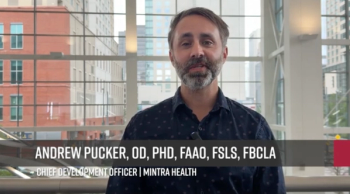
Andrew Pucker, OD, PhD, FAAO, FSLS, FBCLA, talked about a recent paper in which he proposed the renaming of artificial tears and rewetting drops to lubricating drops.
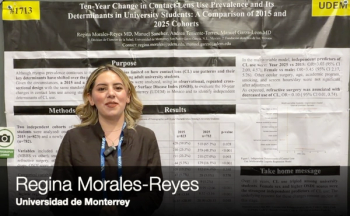
Regina Morales-Reyes details her poster presentation titled "Ten-Year Change in Contact Lens Use Prevalence and Its Determinants in University Students: A Comparison of 2015 and 2025 Cohorts."
Dimitra Skondra, MD, PhD, discussed her talk on how the diet and gut microbiome can affect the development of age-related macular degeneration.
Samuel Berchuck, PhD, discussed his poster on sequential screening for psychological distress in glaucoma clinics using AI-assisted methods.
Madhura Tamhankar, MD, took some time at the ARVO conference in Denver, Colorado, to discuss a poster on disease progression in thyroid eye disease, stressing what we know about the Rundle curve may not be accurate.

QoL areas measured included enjoying relationships/life, overall mood, and time spent thinking of eye pain.

Previously, the company received CRLs from the FDA in April 2025 and November 2023 for NDAs for reproxalap for the treatment of dry eye.

The FDA has assigned a PDUFA goal date of October 17, 2026.

The trial will evaluate the safety and effectiveness of the company's titratable glaucoma therapy system, designed to optimize IOP reduction in patients undergoing glaucoma surgery.

This enables the initiation of the EYETAC phase II clinical trial (NCT07285070) in patients with non-infectious anterior uveitis (NIAU).
Glaukos noted under the updated labeling, physicians may now re-administer iDose TR more than once in patients who maintain a healthy cornea, as defined by corneal endothelial cell density parameters.
The study looked at 128 eyes in 64 patients before and after they had received the vaccine.

FDA authorizes compassionate use of urcosimod for neuropathic corneal pain, a condition that causes severe pain and sensitivity of the eyes, face, or head.
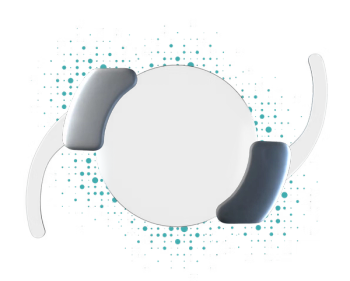
The Bimatoprost Drug Pad-IOL System is intended for the lowering of intraocular pressure (IOP) in patients with open-angle glaucoma (OAG) or ocular hypertension (OHT).

The investigational new drug (IND) application from Complement Therapeutics for CTx001 was previously approved by the FDA in October 2025.
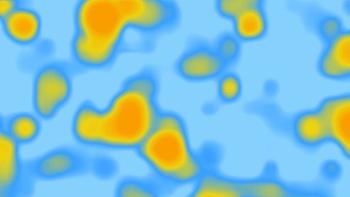
The study evaluated thermal dynamics associated with CW-TSCPC and TLT using MicroPulse technology, such as temperature peak, exposure duration, and thermal spread in a simulated ciliary body using computer modeling.
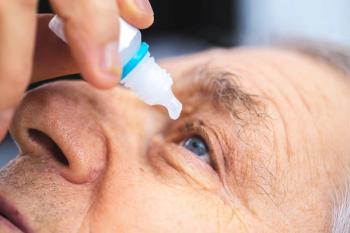
NCX 470 is Nicox’s lead dual-mechanism bimatoprost eye drop for lowering IOP in open-angle glaucoma or ocular hypertension.

K8 is a member of a new class of inflammasome-inhibiting drugs called kamuvudines.
Aldeyra met with the FDA on December 12, 2025, in which the FDA requested the company submit the CSR from the reproxalap dry eye disease field trial to the NDA.
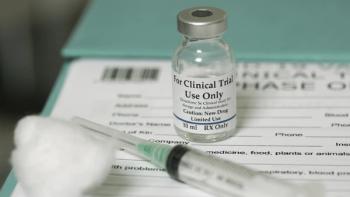
Xelafaslatide is a small-molecule Fas inhibitor designed to protect key retinal cells, including photoreceptors, from cell death.

Under the terms of the agreement, Iolyx Therapeutics has granted Théa exclusive worldwide development and commercialization rights, excluding Asia, to ILYX-002 for the treatment of ocular surface diseases.
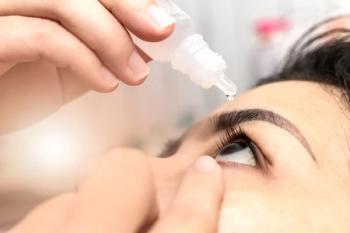
HUC1-394 is a peptide-based eye drop for dry eyes being developed by the company.

This is the first submission for approval under the exclusive license and commercialization agreement for South Korea that was signed between LENZ and Lotus.
Cyclosporine ophthalmic emulsion 0.05% is a topical immunomodulator to increase tear production in patients whose tear production is thought to be reduced due to ocular inflammation associated with dry eye syndrome.
Additionally, the FDA approved a monthly dosing option for some patients who may benefit from resuming this schedule across approved indications.
August 6th 2025