




Myopia
Latest News
Advertisement
Latest Videos






CME Content













Advertisement
More News

An effective but underused resource with positive benefits for patients with myopia.
Dye, OD, details exciting new trials for amblyopia that are in the works at NYU Langone Eye Center.

The trial met its primary efficacy and key secondary end points.

Optometrists and industry leaders alike share exciting new developments in myopia management.

The FDA acknowledged the primary efficacy end point was met but determined the data did not confirm the effectiveness of low-dose atropine in children, according to the company.

The researchers noted the importance of comprehensive eye examinations, including cycloplegic refraction for diagnosing and managing common pediatric ocular conditions, especially in children who fail vision screening.
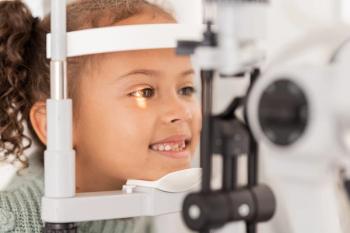
The lens works to slow the progression of myopia in children aged 6 to 12 years at the initiation of treatment.

Study participants were followed annually from 2006 to 2018 with cycloplegic refractions and ocular biometry; the parents were followed with noncycloplegic refractions and ocular biometry.

The Delaying the Onset of Nearsightedness Until Treatment (DONUT) study will be the first of its kind in the US.

Much like the rest of the world, the prevalence of myopia in children in the UK is only growing, having more than doubled in the past 50 years.


A total of 293 optometrists, practice owners, and managers were involved in the survey.

Dan Ignaszewski, executive director of the Alliance for Eye and Vision Research and the National Alliance for Eye and Vision Research, provides insight into the new campaign and how to get involved.

Understanding the scale and scope, by the numbers.

The Japan’s Ministry of Health, Labor, and Welfare approved the lens for manufacturing and sale in the country.

Optometry's Meeting hosted an array of eye care professionals in Minneapolis, Minnesota, from June 25 to 28, 2025.

The DOT lens has now been launched across Asia-Pacific, Europe, and North America, with an estimated 500,000 fitted with DOT lenses in 2025 alone.


One in 3 children worldwide has myopia, and the prevalence is rising so steadily that if it continues as predicted, there will be more than 740 million pediatric cases by 2050.

Specialty care is always needed in any field, and myopia control is no exception.

Diagnostic tools, therapeutic innovations such as anti-vascular endothelial growth factor (VEGF) therapies, and supportive technologies to manage vision loss form the myopic macular degeneration market.

Santen introduces low-dose atropine in Germany, marking a significant advancement in myopia management for children amid a global epidemic.

New research reveals collagen mimetic peptides may effectively restore ocular tissue stiffness, offering hope for myopia and other eye diseases.

A recent study reveals that ADHD in schoolchildren correlates with lower myopia prevalence and shorter eye length, suggesting intriguing links between vision and attention disorders.

The primary study outcomes were the cumulative incidence rate of myopia, with myopia defined as an SER −0.50 diopter (D) or less and the percentage of participants who had a fast myopic shift that was defined as a spherical equivalent myopic shift of 0.50 D or greater over the course of 1 year.
Advertisement
Advertisement
Trending on Optometry Times - Clinical News & Expert Optometrist Insights
1
BIM-IOL System holds 37% IOP reduction at 4 years in first-in-human trial
2
Takeaways from this week in optometry: October 16-23
3
Brepocitinib for noninfectious uveitis meets all phase 3 trial end points
4
More than monitoring: Using AMD visits to promote healthy vision aging
5