

Feature|Videos|December 16, 2025
Crafting your own eyewear brand: Keeping up with the trends
Nancy Gries, export sales manager at Logoproject Eyewear, stated that a private label eyewear brand can keep a practice up to date with trends.
Advertisement
Episodes in this series








A discussion between Diana Canto-Sims, OD, and Nancy Gries, export sales manager at
Responding to this, Gries shared that while their program does not directly offer staff training due to logistical challenges such as operating from a different time zone (Europe), she emphasized the intrinsic motivation and pride that comes from practices putting their name on a product. Gries believes that the story behind a private label collection, as well as the financial incentives of improved profit margins, are powerful motivators for both staff and practice owners. Drawing from several years of experience, Gries shared that neither practices nor staff have typically required formal training, since the sense of ownership and the personalized narrative drive engagement and sales.
The conversation turned to real-world successes, with Gries recounting how practices frequently send positive feedback upon receiving new orders. Social media is highlighted as an important platform for sharing these success stories, with practice owners posting unboxing content and testimonials. Gries described the satisfaction both they and their clients feel when seeing the final product — frames customized with the practice’s branding — delivered and enthusiastically received by staff and patients alike.
Canto-Sims sought advice for practitioners hesitant to start a private label line. Gries’s counsel is to have confidence, embrace diversification, and leverage modern marketing tools like social media. Activities such as live product reveals, engaging staff in wearing the new frames, and capitalizing on the unboxing experience on social networks can build momentum and excitement around the new collection. The unique aspect of custom-branded eyewear is stressed — such products provide exclusivity, preventing direct price comparisons with competitors and discouraging patients from seeking the same product online.
Further, the discussion addresses logistical and strategic benefits: practices are not locked into buying unwanted colorways or models, as the ordering portal provides flexibility to select exactly what fits the practice’s style and branding. Transparency with suppliers, avoiding hidden costs, and staying updated with fashion trends (gathered from industry events in Italy) ensures that collections remain fresh, relevant, and appealing to discerning patients.
The discussion concluded with final thoughts on the ongoing evolution of private label eyewear and encouragement for practitioners to reach out for further information. Canto-Sims invited viewers to contact Gries, outlined the support offered, and signaled future conversations with other providers, demonstrating an ongoing commitment to helping practices navigate the private label landscape.
Advertisement
Related to this article
Optometrists share advice on the best practices for ensuring students are prepared for the new school year and how clinicians can leverage the influx to grow their practice.
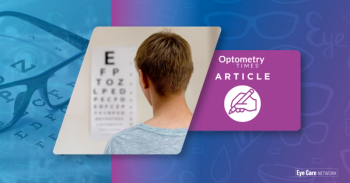
A comparison of ETDRS charts using Latin letters, Tumbling E, and Landolt C optotypes found the alternatives are comparable to letter acuity at the population level.
In the latest episode of The Independent Advantage, Maria Sampalis, OD, gives a resounding "absolutely not" when posited with the question of whether or not eye care providers will be replaced by AI.
In the first episode of the second season of The Independent Advantage, Diana Canto-Sims, OD, chats with practice owner Maria Sampalis, OD, on why artificial intelligence has boomed in practice ownership spaces.

Catch up on the top stories in optometry during the week of September 7-September 11.
The latest in drug and technology developments and updates from August 2026.
Catch up on the top stories in optometry during the week of August 31-September 4.

SightGlass Vision reports the milestone just 1 year after reaching 1 million users.
Advertisement
Advertisement
Trending on Optometry Times - Clinical News & Expert Optometrist Insights
1
Takeaways from this week in optometry: September 14-18
2
Portable vision screener provides accurate clinical assessment for drivers, study finds
3
Study: Adolescents with migraines associated with binocular vision difficulties
4
Study findings support use of non-letter optotypes in VA testing to improve patient accessibility
5