










Artificial intelligence is the future of optometric disease monitoring.
Artificial intelligence is the future of optometric disease monitoring.
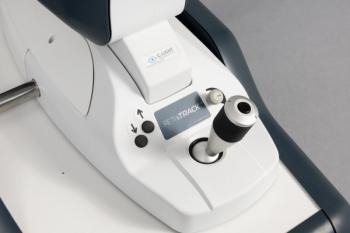
This medical device is the first retinal eye-movement monitor for non-invasive, objective clinical assessments.
Mark Packer, MD, sat down with Sheryl Stevenson, Group Editorial Director, Ophthalmology Times®, to discuss his presentation on machine learning and predicting vision outcomes after cataract surgery at the ASCRS annual meeting in San Diego.
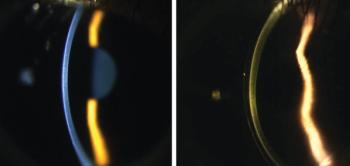
How to fit lenses with simple devices and when to expand your armature.
Neurofibromatosis type 1 (NF1) is a condition associated with significant systemic morbidity. Abnormal proliferation of cells derived from the neural crest can cause benign and malignant tumors throughout the body in NF1.
In addition to these tips on preventing digital eye strain, it is important to implement other eye-healthy habits.
A look back on what happened in optometry during the week of April 3-April 7.
Based on the initial ophthalmic findings, it is difficult but important to predict the patients’ progression to a specific level of disease severity.

Step up your standard of care, free up office space, and exceed patient expectations by taking advantage of these tools.
A look back on what happened in optometry during the week ofMarch 27-March 31.
Technologies that improve treatment of ONHD and similar pathologies.

Lessons learned during 30 years in the industry.

Medical and surgical technological advances show promise for future glaucoma management.

Protecting children’s eye health will demand a focus on vision and learning through better nutrition, myopia management, and disease prevention.
Bausch + Lomb and Modulight announce the photodynamic laser for use with photodynamic therapy was approved by the FDA for the treatment of patients with subfoveal choroidal neovascularization due to AMD.

Individuals often have questions about their candidacy for certain implants and how the various mechanisms of action work.

IntelliSep is the first FDA-cleared diagnostic tool to assess cellular host response to aid in identifying emergency department patients with sepsis and contribute to rapid life-saving decisions.

A look back on what's happened in optometry during the week of Jan. 1-Jan. 5, 2023.

Roland Mattern, director of marketing for eSight, illustrates the use of the company's eSight 4 device to assist patients with central vision loss.

Denise A. Valenti, OD, FAAO, gives key takeaways from her AAOpt 2022 discussion on the impact of marijuana use and driving.

Pinakin Davey, PhD, OD, FAAO, gives key highlights from his AAOpt 2022 presentation, "Management of digital eye strain: comprehensive strategy and nutritional approach."

When combined, intense pulsed light and low-level light therapy—both of which have roots in dermatology—create a synergistic effect that treat dry eye more effectively than one therapy alone.

Adam Ramsey, OD, shares key takeaways from his EyeCon 2022 presentation, "Advances in industry innovations to improve your practice."

The glaucoma field is on the move with significant innovations in a number of treatment areas. Experts discussed the various technologies at the Optometry Times 2022 EyeCon meeting in Marco Island, Florida.

As technology advances and choices grow, you need to personalize patients’ options.