Optometry Times Staff Reports
Articles by Optometry Times Staff Reports

A Johnson & Johnson Vision poster found a novel multifocal toric daily disposable contact lens delivered visual acuity within 1 letter and comparable fitting success to an existing nontoric multifocal lens, extending coverage to presbyopes with up to 1.75D astigmatism.

A systematic review of 22 studies found Demodex infestation strongly associated with MGD, with MGD prevalence reaching 92% to 99% in symptomatic Demodex blepharitis and significantly worse meibomian gland structure and function in infested patients.

A real-world pilot across 8 optometric sites found Qlosi (0.4% pilocarpine) implementation met or exceeded all corporate KPIs, with UWF imaging utilization rising 16.4 percentage points and 72.7% of patients achieving personal treatment goals.

GATHER2 OLE data through 3.5 years show avacincaptad pegol reduced GA lesion growth by 28.8% in continuously treated patients and 37% to 40% in those switched from sham, with no new safety signals.

A retrospective study of 27 dry eye patients found adjunctive preservative-free periocular skincare significantly reduced periocular erythema and MGD severity over 28 days, with 93% of patients reporting intent to continue use.

A VA case report documents rapid PDR progression to intravitreal anti-VEGF treatment in a patient 6 months after semaglutide initiation, reinforcing AOA monitoring guidance for GLP-1 patients with preexisting DR.

Expanded astigmatism parameters are expected for PRECISION1, PRECISION7, and TOTAL30 contact lenses.

The company said the expanded portfolio will be available in the US and Canada this summer.

The update introduces a 250 kHz scan speed for OCT Angiography combined with enhanced TruTrack Active Eye Tracking, as well as new multimodal imaging capabilities, including the Green Autofluorescence Module.
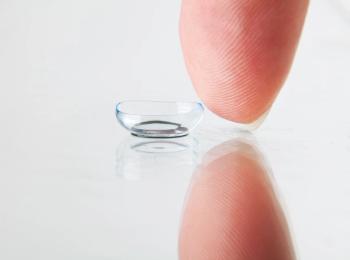
The lens is scheduled to become available in the US in fall 2026.

The study, conducted through the OHDSI network, analyzed records from 227,971 new users of semaglutide.

LENZ Therapeutics licenses FDA-approved presbyopia drop to Everest Medicines for Greater China; NDA under review by NMPA with approval anticipated in Q1 2027.

Researchers analyzed data from 13 randomized controlled trials involving children and adolescents with myopia.

The topical synthetic peptide receives orphan drug and fast track status and enters phase 2 as a first-in-class treatment for a rare degenerative corneal disease.

The product is expected to be available in stores and online at Amazon, CVS, Target and Walgreens by the end of June 2026.

Healthy adults showed stable tear and meibum lipid composition from morning to evening in a prospective lipidomic study.

The study, led by researchers at Keio University School of Medicine, measured near add power in 6258 patients aged 40 to 79.
Upsher-Smith launched generic cyclosporine ophthalmic emulsion 0.05% in the US for tear production in inflammatory dry eye.

The review analyzed 46 reports from 43 unique studies.

The study reviewed 1440 peer-reviewed journal articles indexed in the Web of Science Core Collection between 2010 and 2025.
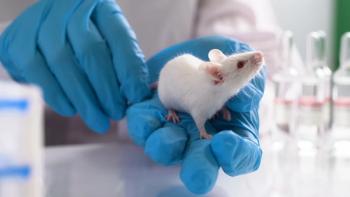
The device, described in a new study, uses a technique called temporal interference-based transcorneal electrical stimulation, or TI-TES.

NUS researchers report that plant-based photosynthetic nanoparticles restored corneal NADPH levels and reversed damage within 5 days in preclinical dry eye.

AMD affects approximately 28 million people in the US and is a leading cause of vision loss among older adults.

The study, conducted across 6 clinical sites in the US, enrolled 30 participants aged 40 years and older who were established progressive lens wearers and used digital devices for at least 4 hours per day.

The organization is highlighting traumatic brain injury in Hispanic and Latino communities as part of its Cultural Responsiveness blog series.

vailable in both English and Spanish, the activity is designed to help students reflect on their interests, preferences, and strengths.


The randomized controlled trial included 196 schoolchildren in Hong Kong aged 4 to 12 years with myopia who completed the study.
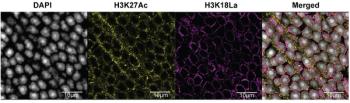
The study, published in PLoS Genetics, examined how glucose metabolism affects gene expression in light-sensing photoreceptors.

Researchers noted growing evidence supporting an additional role for B vitamins.