



Pediatrics
Latest News

Advertisement
Latest Videos




CME Content












Advertisement
More News

The 0.1 mg/mL atropine eye drop for pediatric myopia is licensed from Sydnexis, Inc.

An official approval by the FDA in the United States can boost adoption rate of atropine and antimyopia glasses, which will change the landscape of myopia management.
The investigators described the CASIA2 (Tomey Corporation) instrument, which is a new AS-OCT device with a swept-source laser wavelength of 1310 nm that can scan at a speed of 50,000 A-scan/second.

New data from North American and Chinese clinical trials reinforce the safety, efficacy, and durability of DOT lenses in slowing pediatric myopia progression, without evidence of rebound.


Insurance coverage from the second largest health plan in the US paves the way for expanded access to Luminopia’s unique amblyopia therapeutic.
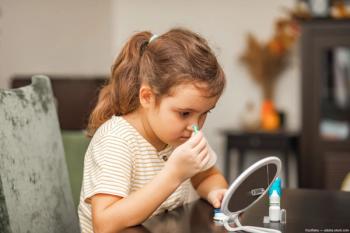
After treatment cessation, eye growth returned to age-expected levels and the accumulated myopia control treatment gains were retained over the following 12 months after treatment was ceased.

This expansion marks the first FDA clearance for an amblyopia treatment for this age range in more than 2 decades.

Researchers found that repeated therapy using low-level red light (RLRL) is a potential intervention to control myopia progression in children.

How studies into myopia management can increase access to vision care.

The affected mandate requires that all newborns receive erythromycin ointment applied to their eyes after birth, which helps prevent ophthalmia neonatorum.
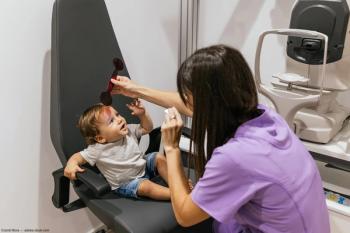
Educational tools, visual aids can help children with visual impairments thrive.

Good safety profile and “meaningful improvement” in vision in patient with Leber congenital amaurosis.

A pivotal phase 3 clinical trial found that SYD-101 met its 3-year primary end point for slowing pediatric myopia progression.

The study findings indicated that lifestyle changes associated with the COVID-19 pandemic were connected to an increase in childhood astigmatisms.

The research team conducted a prospective study to assess any barriers to parental compliance with vision testing in preschoolers aged 3 to 6 years in hopes of catching amblyopia earlier.
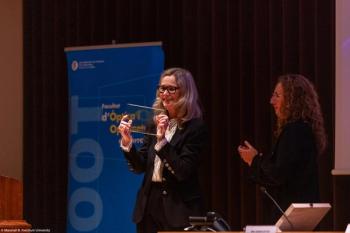
Cotter, OD, MS, FAAO, was recognized with the Optometrist of the Year Award by Universitat Politècnica de Catalunya Faculty of Optics and Optometry of Terrassa, and as the 2024 UAB School of Optometry’s Springer Lecturer.

The updated range of lenses feature expanded negative and cylindrical powers, thinner edge thickness, and wider frame options.

The longitudinal study found that visual function and BCVA decreased with an increasing incidence rate of moderate and severe visual impairment for patients with high myopia.

Following the switch from multifocal to single-vision contact lenses, axial elongation increased by 0.03 mm/year, and myopia progressed at a rate of −0.17 D annually after switching to single-vision lenses.

Trending topics and milestone stories from our year in ophthalmology.

The research findings supported the hypothesis that a mild reduction in retinal contrast can slow myopia progression in young children.

Additional research is needed to establish best diagnostic and management strategies for increasingly common condition.
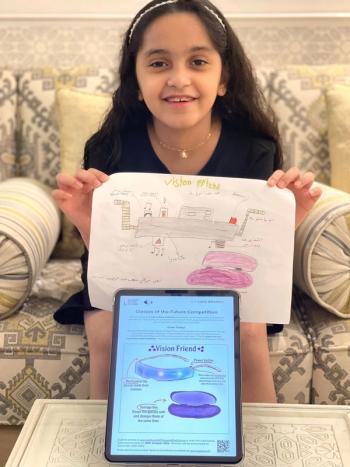
Lama Albadeen, 8, of Saudi Arabia, and Grace Retta, 5, of Kenya, will receive cash prizes for their schools.

Miriam Korik, OD, and Justin Kwan, OD, FAAO, discuss the shift of myopia management from a specialty to a vital aspect of primary care optometry, emphasizing the need for more practitioners to integrate effective strategies and collaborate for better patient outcomes.
Advertisement
Advertisement
Trending on Optometry Times - Clinical News & Expert Optometrist Insights
1
FDA approves Brytly eye drops for ocular redness relief lasting up to 12 hours
2
Brepocitinib for noninfectious uveitis meets all phase 3 trial end points
3
More than monitoring: Using AMD visits to promote healthy vision aging
4
BIM-IOL System holds 37% IOP reduction at 4 years in first-in-human trial
5