













The CHAMP phase 3 study shows strong safety and efficacy of NVK002 for the treatment of myopia.
The CHAMP phase 3 study shows strong safety and efficacy of NVK002 for the treatment of myopia.
Vitto Mena, Jr., OD, MS, shares highlights from his discussion titled, "Contact lenses for kids: concepts and methods for contemporary care," which he co-presented during the 2022 American Academy of Optometry meeting.
Michelle Buckland, OD, MS, FAAO, shares highlights from her 2022 American Academy of Optometry presentation, "Pediatric eye exams: the ABCs and 123s."
Christina Twardowski, OD, FAAO, and Erin D. Stahl, MD, share highlights from their discussion titled, "A collaborative approach to pediatric keratoconus," which they presented during the 2022 American Academy of Optometry meeting.

Awareness of visual impairment in clinical practice is suboptimal, and adherence to ophthalmologic evaluation needs to be improved. The prospective cohort study in the Netherlands included 170 children aged 0 to 18 years with a newly diagnosed brain tumor.
Vitto Mena, Jr., OD, MS, shares highlights from his VEW 2022 presentation, "My child is not old enough for contact lenses: guess again."
Michelle Hoff, OD, FAAO, ABOM, FNAO, and Isabel Kazemi, OD, FAAO, share key takeaways from their VEW 2022 presentation, "The ABCs on pediatric vision."
At Vision Expo West 2022, Valerie M. Kattouf, OD, shares her best practices for managing prescription formulas for pediatric patients.

Clinical pilot study evaluates effect after 1 month of wear.

Researchers in Tokyo found that nearly 50% of preschoolers are myopic, indicating that the disease has reached epidemic proportions.
Healthy digital media habits make a healthy child.
EyeCare4Kids founder Joseph Carbone discusses the nonprofit organization's mission to offer services in local communities, as well as its expansion into underserved communities across the globe.
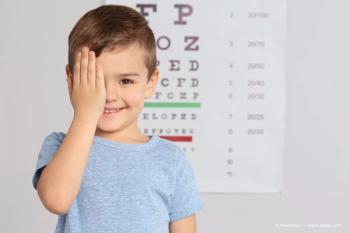
Dedicating part of your practice to a pediatric patient base allows you to have fun, as well as continue growing your practice.

Studies conducted with Orbis International conclude positive mental health and academic improvements of children provided appropriate eye care and glasses, filling important research gaps and providing essential guidance for future interventions and research.
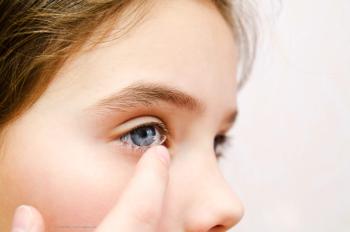
Follow this expert advice for an easy navigation process.

A recent study by Orbis International reports that children with myopia experienced significantly higher levels of depression and anxiety than their peers without vision impairment.
Langis Michaud, OD, MSc, FAAO, FSLS, FBCLA, FEAOO, shares highlights from his AOA 2022 presentation, "Myopia Management: One Child at a Time (Translating theory into practice)."
Katie Connolly, OD, shares about her presentation, “Therapeutics for Pediatrics: Just Say Yes,” which she presented during the 2022 AOA Optometry’s Meeting in Chicago.
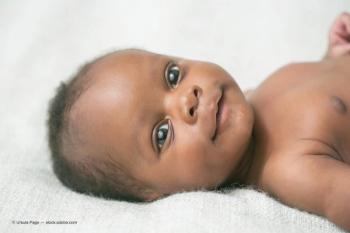
Correcting refractive errors in infants and toddlers differs from that in adults. Ida Chung, OD, MS, FCOVD, FAAO, walks optometrists through the pearls and pitfalls of prescribing for this patient population.
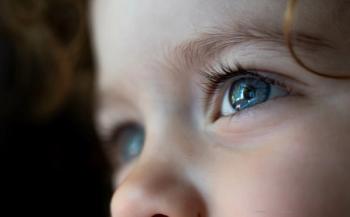
Researchers are attempting to determine how pediatric visual impairment caused by damage to the brain is different from visual impairment at the level of the eye.
Set for May 23-28, the global initiative aims to bring attention to the global epidemic of myopia cases in children.

Sunlight in the classroom can be a protective measure against the development of myopia, researchers have found.
Listen to this week's episode!
Mr. Kuruganti’s role on the board will include outreach to many in the software and tech industries, as well as offering expert advice to the organization as EyeCare4Kids expands services both on a domestic and international level.
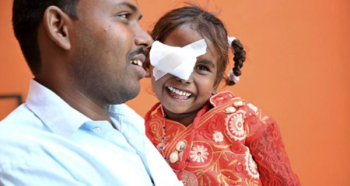
Research also highlights the top factors that lead to care, which can be used to improve parents' uptake of sight-saving surgery for their children.