


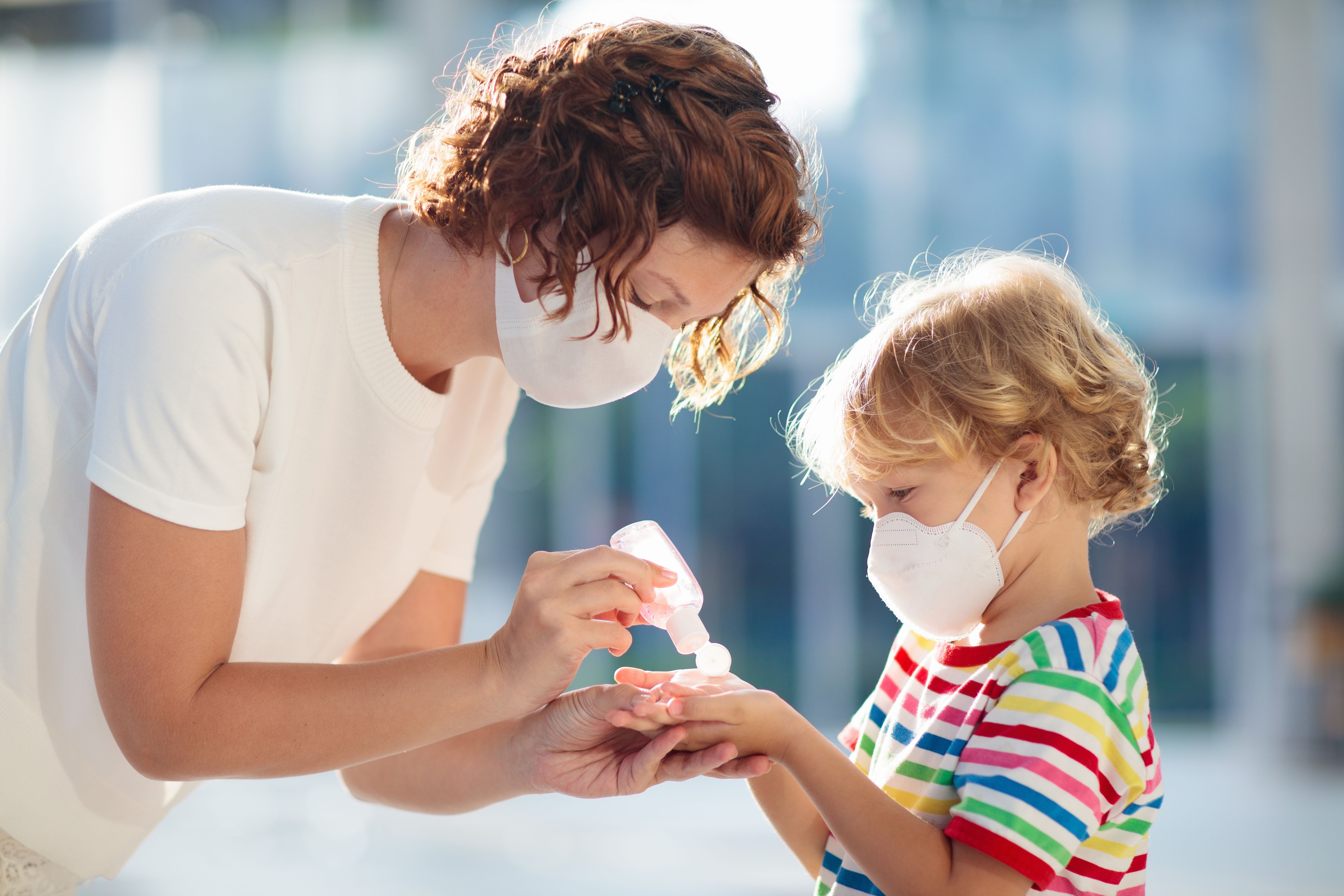










Some 23 percent of children hospitalized with COVID-19 in Wuhan, China, had ocular manifestations
Some 23 percent of children hospitalized with COVID-19 in Wuhan, China, had ocular manifestations


The different concerns in pediatric glaucoma compared with adults.


Always look for dry eye in patients of all ages




Two new studies add to the growing evidence that time spent outdoors helps reduce the risk of myopia in children.
Get ready for patients to present with allergy complaints due to this year's severe spring allergy season.
Oregon looks to require all children to undergo vision screening before entering school
The U.S. Department of Health and Human Service (HHS) announced final regulations that require the pediatric vision essential health benefit to be a yearly eye exam with materials for millions of children in this country.
You might be reluctant to fit more children in contact lenses because you think it's difficult and time-consuming.
Understanding the features of the different types of pediatric nystagmus is the basis for determining the etiology of the problem and counseling parents about the need for further evaluation, possible treatments, and their child's prognosis.
A number of topical medications commonly prescribed by optometrists may place the fetus at risk when the patient is pregnant or may be passed on to the infant when the mother is nursing.
Visual acuity and amblyopia can be improved by refractive correction and patching in children with unilateral amblyopia.
Children's vision-related quality of life is better with contact lenses than glasses, especially in the areas of athletics, appearance and satisfaction with correction.
When working with pediatric low vision patients, it's important to assess what the accommodative demand will be for each individual, and strive to make each child as visually independent as possible.