
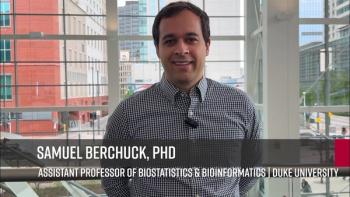
Samuel Berchuck, PhD, discussed his poster on sequential screening for psychological distress in glaucoma clinics using AI-assisted methods.
Samuel Berchuck, PhD, discussed his poster on sequential screening for psychological distress in glaucoma clinics using AI-assisted methods.
Jessilin Quint, OD, MBA, MS, FAAO, shares strategies for improving adherence, building trust through patient communication, and more.
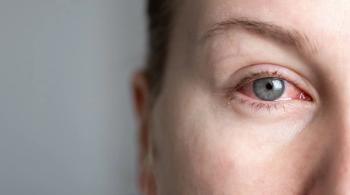
Knowing the shared signs and symptoms can lead to proper diagnosis.

The organization is highlighting traumatic brain injury in Hispanic and Latino communities as part of its Cultural Responsiveness blog series.

Mark Bullimore, PhD, MCOptom, consultant for Sydnexis, weighs in on the CRL received by the company for SYD-101.
vailable in both English and Spanish, the activity is designed to help students reflect on their interests, preferences, and strengths.
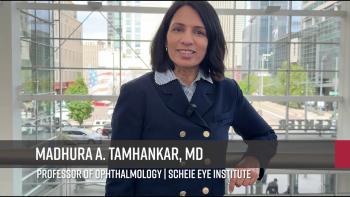
Madhura Tamhankar, MD, took some time at the ARVO conference in Denver, Colorado, to discuss a poster on disease progression in thyroid eye disease, stressing what we know about the Rundle curve may not be accurate.

ECG-synchronized Doppler holography provides repeatable measurements of the retinal blood flow.
Giannie Castellanos, OD, outlines what ODs can implement into their communications strategies today to strength the referral power between MDs and ODs.

The randomized controlled trial included 196 schoolchildren in Hong Kong aged 4 to 12 years with myopia who completed the study.
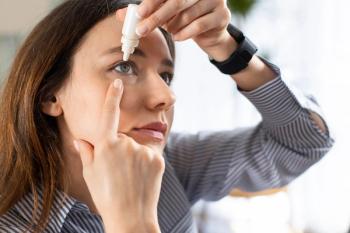
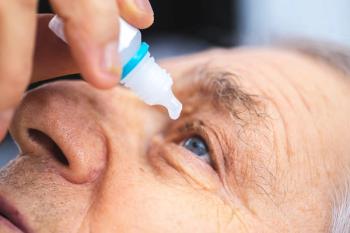
Research suggests that one drop of atropine is all it takes for beneficial effects.
Host Hamza Shah, OD, MS, FAAO, is joined by Michael Twa, OD, PhD, to discuss artificial intelligence, inspired by Paredes et al's paper, "A Review of Recent Developments in Artificial Intelligence and Big Data Technologies for Ophthalmology Referrals and Clinical Practice."

This case study highlights the tension between what patients report and what clinicians observe and measure.
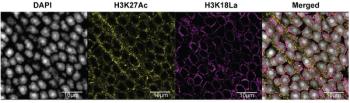
The study, published in PLoS Genetics, examined how glucose metabolism affects gene expression in light-sensing photoreceptors.

Researchers noted growing evidence supporting an additional role for B vitamins.

Crooker, OD, gives advice on how to put perimenopausal/menopausal patients at ease in the chair.

The videos provide an overview of the report, review the diagnostic methodology section, and highlight key points from the management and therapy report.

In addition to ChatGPT for Clinicians, OpenAI introduced ChatGPT for Healthcare earlier this year.

Findings indicate that care within guide dog partnerships is relational and dynamic, with both dog and handler alternately giving and receiving care.
Giannie Castellanos, OD, calls on optometrists to empower others in the field and refer within their specialty.

The study was conducted by researchers from VisionSpring and Queen’s University Belfast, with support from USAID.

An ophthalmology resident reflects on the risky business of tap water–rinsed contacts and cases.
Jessica Crooker, OD, highlights how physicians can identify early signs of menopause in the eye and debunk misconceptions about presbyopia for women.

What to know about the current state of artificial intelligence and multimodal retinal imaging in systemic disease surveillance in eye care.

The company has collected and recycled 119,715,074 units, or 724,922 pounds, of used contact lenses and eye care materials in the US.

A global systemic review recently found that women had less access to glasses than men in low- to middle-income regions.
The company said the submission marks its sixth regulatory filing outside the US following FDA approval in July 2025.

Myopia management is not one-size-fits-all, writes Magdalena Stec, OD, FAAO.

Noelle Whitestone, MHA, discusses the implications of findings from a recent Orbis International study.