


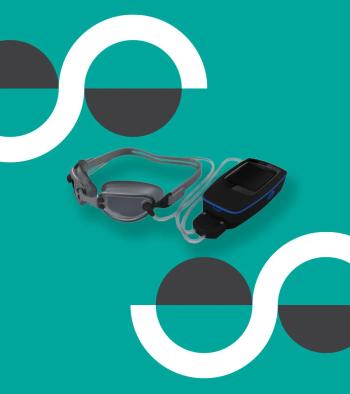
The next-generation FSYX ocular pressure adjusting pump adds wireless connectivity to transmit patient usage data to prescribing practices.
The next-generation FSYX ocular pressure adjusting pump adds wireless connectivity to transmit patient usage data to prescribing practices.

Healthy adults showed stable tear and meibum lipid composition from morning to evening in a prospective lipidomic study.

The FDA's OND found substantial evidence of effectiveness for bevacizumab-vikg in nAMD, clearing the way for a BLA resubmission in June 2026 and a decision expected within 60 days.

The study, led by researchers at Keio University School of Medicine, measured near add power in 6258 patients aged 40 to 79.
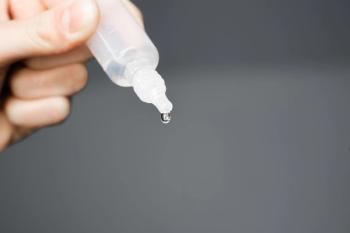
Upsher-Smith launched generic cyclosporine ophthalmic emulsion 0.05% in the US for tear production in inflammatory dry eye.

The review analyzed 46 reports from 43 unique studies.

For Erin Tomiyama, OD, PhD, FAAO, managing myopia in pediatric patients involves decisions that extend well beyond updating a glasses prescription.

The study reviewed 1440 peer-reviewed journal articles indexed in the Web of Science Core Collection between 2010 and 2025.


The device, described in a new study, uses a technique called temporal interference-based transcorneal electrical stimulation, or TI-TES.

Mitch Ibach, OD, FAAO; Nate Lighthizer, OD, FAAO; and Austin Lifferth, OD, FAAO, share practical insights on identifying early disease and more.

NUS researchers report that plant-based photosynthetic nanoparticles restored corneal NADPH levels and reversed damage within 5 days in preclinical dry eye.

Across mild, moderate, and severe disease, 3 cases show how timely glaucoma intervention can reduce medications and preserve sight.
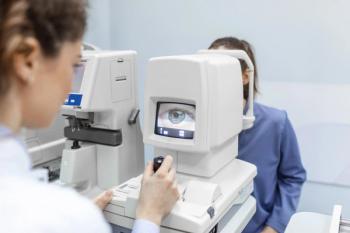
Mitch Ibach, OD, FAAO; Nate Lighthizer, OD, FAAO; and Austin Lifferth, OD, FAAO, discuss how they evaluate patients with borderline findings but significant risk factors
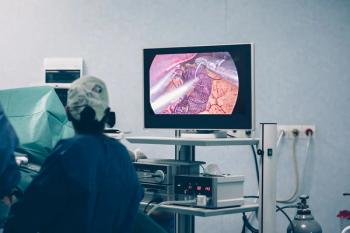
New Turkish study links sleeve gastrectomy weight loss to clearer cornea and lens, lower eye pressure, and widened anterior chamber in 6 months.
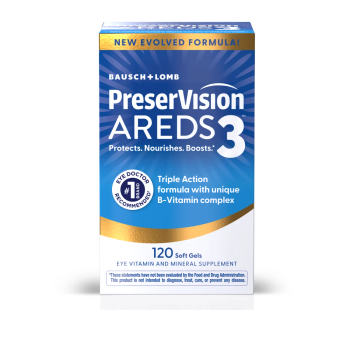
AMD affects approximately 28 million people in the US and is a leading cause of vision loss among older adults.

A rare case study demonstrates the importance of vaccination to reduce the incidence of severe complications associated with HZO.

Avacincaptad pegol may help preserve driving-related vision in geographic atrophy, but post hoc data did not reach statistical significance.

At ARVO Michael Siatkowski, MD, and Jody Summers, PhD, stopped to discuss the rising rates of myopia in children and if anti-inflammatory drugs could play a role in slowing progression.

Danish JAMA Dermatology trials show short-term topical or oral corticosteroids don’t raise intraocular pressure, easing glaucoma worries in atopic dermatitis care.
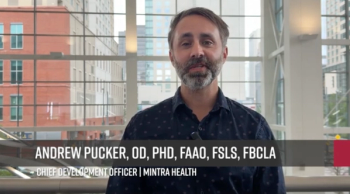
Andrew Pucker, OD, PhD, FAAO, FSLS, FBCLA, talked about a recent paper in which he proposed the renaming of artificial tears and rewetting drops to lubricating drops.
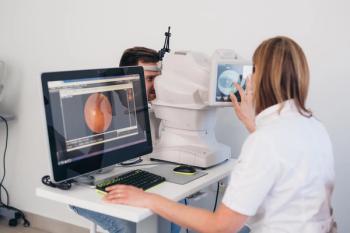
Ischemic retinal disorders may signal underlying cardiovascular risk, making diagnostic imaging workup essential.
Jeffrey J. Walline, OD, PhD, shares practical perspectives on counseling families, selecting treatment options based on lifestyle and compliance, and more.
Mile Brujic, OD, FAAO, provides insight into the intellectual conception of the patent-pending tool and the manufacturing process.
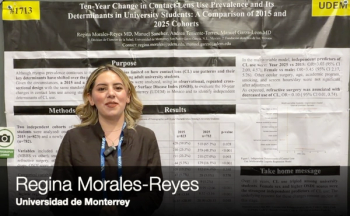
Regina Morales-Reyes details her poster presentation titled "Ten-Year Change in Contact Lens Use Prevalence and Its Determinants in University Students: A Comparison of 2015 and 2025 Cohorts."

The study, conducted across 6 clinical sites in the US, enrolled 30 participants aged 40 years and older who were established progressive lens wearers and used digital devices for at least 4 hours per day.
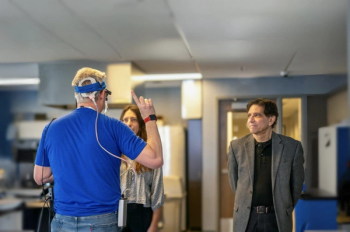
The device is described as “a wireless brain implant designed to provide artificial vision for people with total blindness by bypassing the eyes and optic nerves and connecting directly to the brain’s visual cortex.
Dimitra Skondra, MD, PhD, discussed her talk on how the diet and gut microbiome can affect the development of age-related macular degeneration.
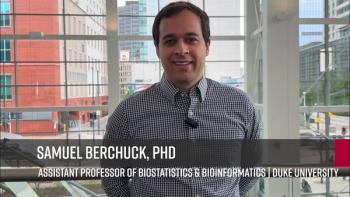
Samuel Berchuck, PhD, discussed his poster on sequential screening for psychological distress in glaucoma clinics using AI-assisted methods.

Jessilin Quint, OD, MBA, MS, FAAO, shares strategies for improving adherence, building trust through patient communication, and more.