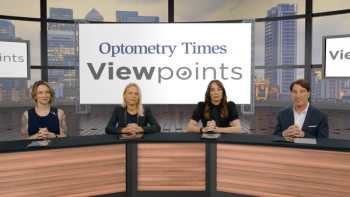
In this discussion, the expert panel emphasizes practical, accessible strategies for identifying underlying contributors to ocular surface disease and dry eye. They note that clinicians do not need advanced or expensive technology to diagnose dry eye effectively; instead, consistency and recognition of key signs and symptoms are essential. The panel highlights the value of brief, structured assessments—such as a “90-second workup”—that incorporate symptom questionnaires like the OSDI, fluorescein and lissamine green staining, and simple tear break-up time measurements. Several faculty members underscore the importance of evaluating meibomian gland structure, whether through meibography or basic transillumination. They discuss the usefulness of rigidly separating aqueous deficient from evaporative dry eye, describing the condition instead as a continuum where each subtype often leads to the other. Tear meniscus height is identified as a powerful but underutilized diagnostic cue. The panel also stresses the importance of considering patient-specific factors—environment, hobbies, and prior eyelid surgery—that influence tear film stability and symptom severity.