



Dry Eye
Latest News
Advertisement
Latest Videos



Shorts

0:37
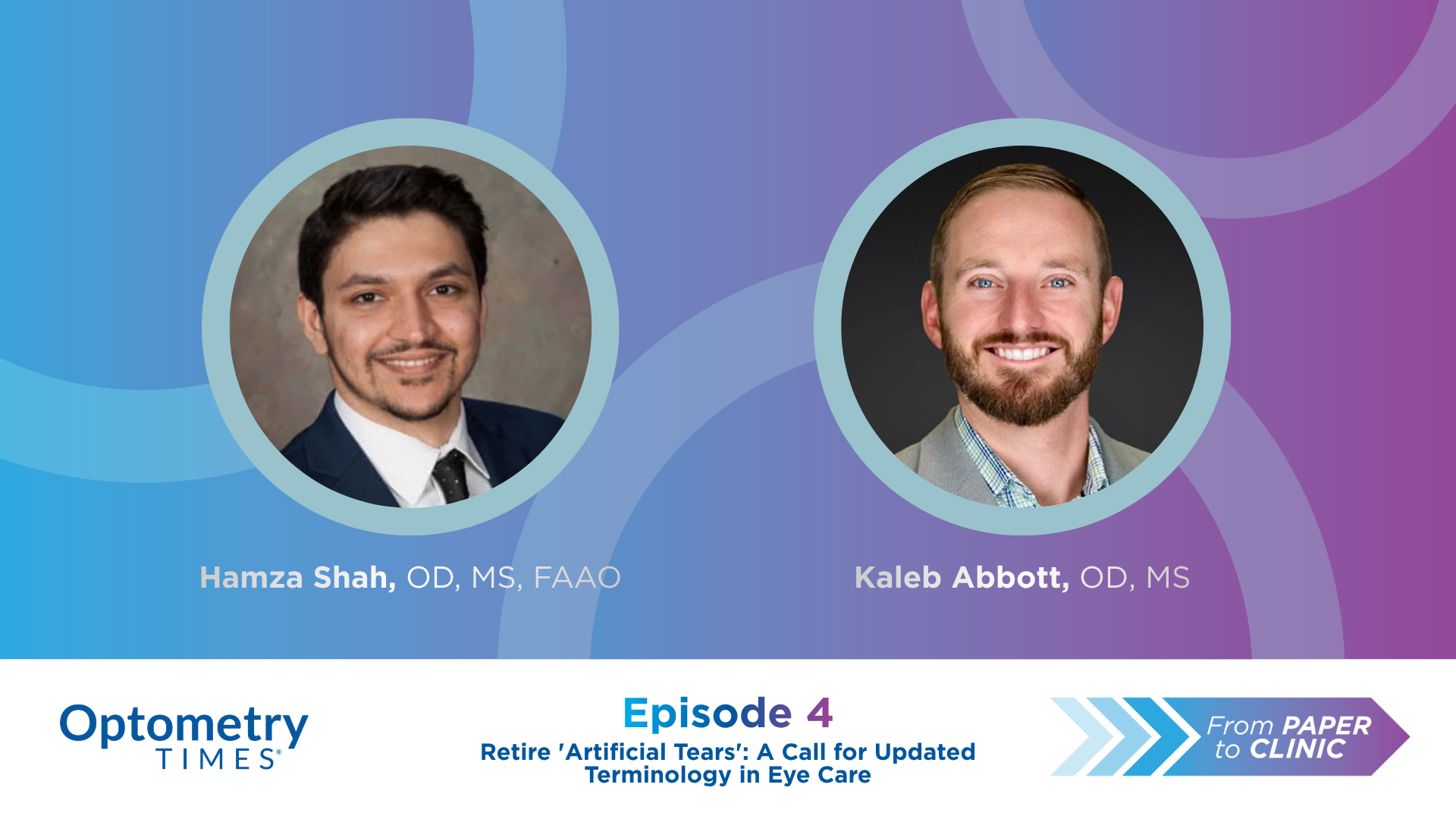
From Paper to Clinic: Episode 4, coming Monday, June 1
4 months ago
by
Hamza Shah, OD, MS, FAAO

0:41
4 things patients with dry eye can do every day
6 months ago
by
Lisa Hornick, OD

0:33
30 to 50 million undiagnosed: Are we in a dry eye epidemic?
6 months ago
by
Lisa Hornick, OD
0:40
Has optometry progressed enough to fully address myopia?
7 months ago
by
Sheila Morrison, OD, MS
0:35
What's the biggest misconception optometrists have about AI?
7 months ago
by
Jay Henry, OD,MS
0:35
What's the ideal age for a child's first eye exam?
7 months ago
by
Sheila Morrison, OD, MS

1:22
EnVision Summit: Recent advances in dry eye disease
7 months ago
by
Rahul S. Tonk, MD, MBA

1:03
Looking ahead at the dry eye disease pipeline
8 months ago
by
Rahul S. Tonk, MD, MBA
0:53
What the future holds for dry eye
9 months ago
by
Jordana Joy, Editor
0:23
Clinical findings of a novel lipid-containing eye drop
a year ago
by
Jordana Joy, Editor
CME Content












Advertisement
More News

Mitch Ibach, OD, FAAO; Nate Lighthizer, OD, FAAO; and Austin Lifferth, OD, FAAO, share practical insights on identifying early disease and more.

NUS researchers report that plant-based photosynthetic nanoparticles restored corneal NADPH levels and reversed damage within 5 days in preclinical dry eye.
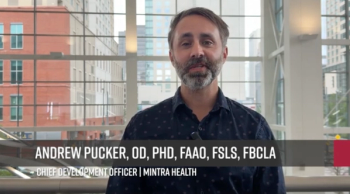
Andrew Pucker, OD, PhD, FAAO, FSLS, FBCLA, talked about a recent paper in which he proposed the renaming of artificial tears and rewetting drops to lubricating drops.

Regina Morales-Reyes details her poster presentation titled "Ten-Year Change in Contact Lens Use Prevalence and Its Determinants in University Students: A Comparison of 2015 and 2025 Cohorts."
Jessilin Quint, OD, MBA, MS, FAAO, shares strategies for improving adherence, building trust through patient communication, and more.

Knowing the shared signs and symptoms can lead to proper diagnosis.

The videos provide an overview of the report, review the diagnostic methodology section, and highlight key points from the management and therapy report.
The launch is supported by results from a phase 3 randomized, double-masked, placebo-controlled trial (3-02).

Several presentations at ASCRS 2026 spotlight faster dry eye relief and smarter pre-operative care, showing lifitegrast and new drugs can ease symptoms quickly and improve cataract biometry.

The study demonstrates that Corynebacterium mastitidis, a bacterium that resides on the ocular surface, can be genetically modified to secrete the anti-inflammatory cytokine interleukin-10.

Eye care providers took on dry eye, pediatric eye care, contact lens wear, and more.

The study was carried out between July 8 and August 1, 2024, and included 127 eyes from 68 children aged 8–14 years.

Previously, the company received CRLs from the FDA in April 2025 and November 2023 for NDAs for reproxalap for the treatment of dry eye.
The planned study will assess the safety, efficacy, and optimal dosing of the investigational therapy in approximately 150 patients with DED.

Examining the physiologic limits and patient selection for warm compress therapy in meibomian gland dysfunction can help identify when its usage may be ineffective.

The study highlights the broader impact of OR on patients’ quality of life.
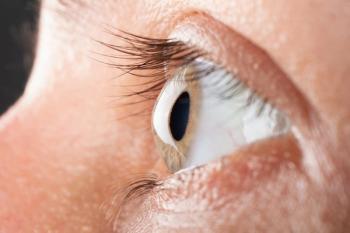
Amniotic membrane therapy has been used in refractory cases to protect the ocular surface, modulate inflammation and fibrosis, and promote epithelial healing.

The review notes aesthetic considerations are increasingly important as social media and video conferencing spotlight facial appearance.

Clocking in for Workplace Eye Wellness Month means knowing the environmental factors contributing to a patient's dry eye.
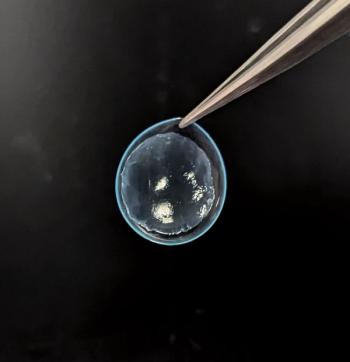
Rachon, OD, FAAO, DipABO, details her SECO 2026 poster presentation, "Treatment of Stage 1 NK Secondary to Acoustic Neuroma Removal with Cryopreserved Amniotic Membrane."

According to a VSP Vision Care news release, 71% say they experience performance impacts due to screen-related visual discomfort, equating to nearly one full workday of lost productivity each week.

Tonk, MD, MBA, references updates from TFOS DEWS III that promote standardized screening tools.
Improved guidance on preservatives and allergens needed to ensure safety.
Key clinical trial data and PDUFA dates in early 2026 focus on treatments for dry eye, age-related macular degeneration, and rare eye diseases.
Telomere biology may link ocular aging and tissue dysfunction in the eye.
Advertisement
Advertisement
Trending on Optometry Times - Clinical News & Expert Optometrist Insights
1
AAOpt 2026: Oculomics for early intervention and comanagement
2
AAOpt 2026: Managing complex pediatric myopia cases
3
What is the biggest barrier to eye care access worldwide?
4
AAOpt 2026: Evaluating the comfort and usability of Acuvue Vita contact lenses
5