


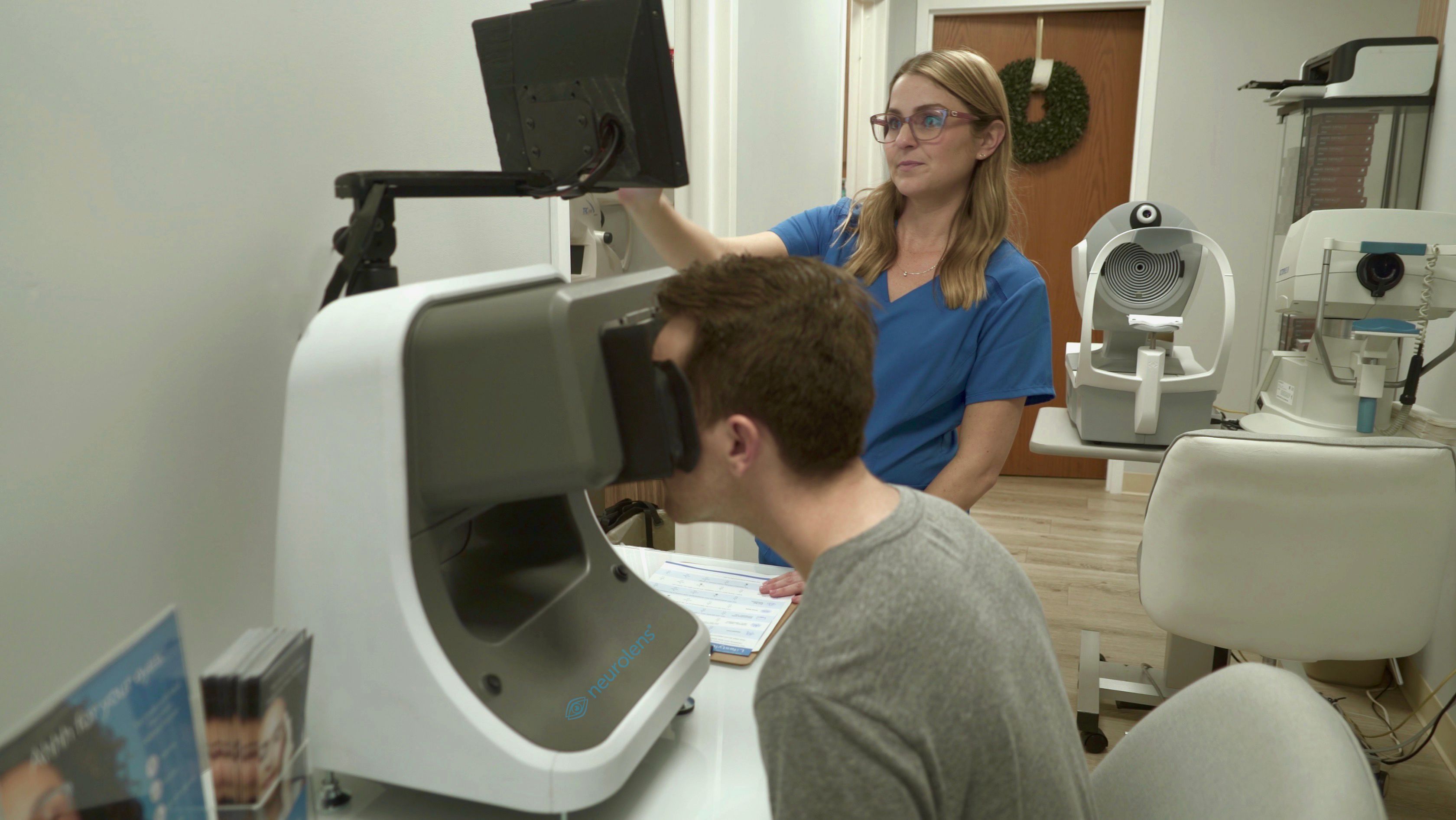














Daniel Fuller, OD, FAAO Dipl., FSLS, discusses augmenting corneal thickness in thin keratoconus corneas during corneal cross-linking via FDA-approved hypotonic riboflavin during SECO 2022.
Daniel Fuller, OD, FAAO Dipl., FSLS, discusses augmenting corneal thickness in thin keratoconus corneas during corneal cross-linking via FDA-approved hypotonic riboflavin during SECO 2022.

Physicians share tales of creative workarounds to cope with this condition.
Test your knowledge!

Expected findings in follow-up, management, and potential complications.

Why managing progressive keratoconus during pregnancy can be a challenge

Veteran optometrist has seen them all and is waiting for the next innovation

Clinicians must think creatively for solutions to vocational rehabilitation
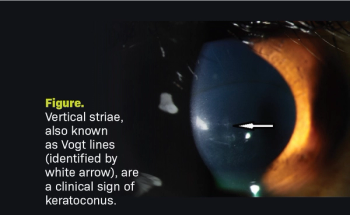
Know the facts, not misinformation, about slowing or halting disease progression


Offer patients independence and improve quality of life by incorporating low vision services

Effectively communicate risks, benefits, and surgery potential
Refer patients who have reduced vision and functional vision goals

Binocular testing, extraocular movements, dilation, and visual acuity are reviewed
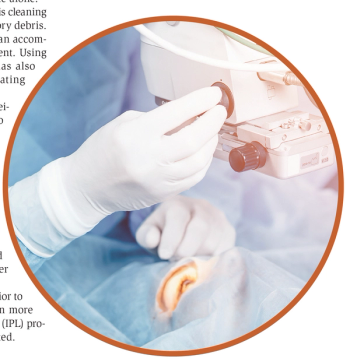
The earlier patients are prepared for surgery, the better the outcomes will be

Educate providers, build a referral network, and add tools of the trade
New technology may be able to help ODs’ most challenging patient segment

The best outcomes for cataract surgery occur when surgery is performed soon after vision problems develop.

A protocol of patient questions and clinical measurements can show a need for therapy

Have a plan when infection occurs

Understand the condition’s structural, innervational, neurological, and genetic abnormalities

Educate patients preoperatievly, evaluate their needs, and set appropriate expectations

From daily disposables to increased refractive surgeries, dropout and more
Find out the latest on technologies, techniques, and treatments